1960s
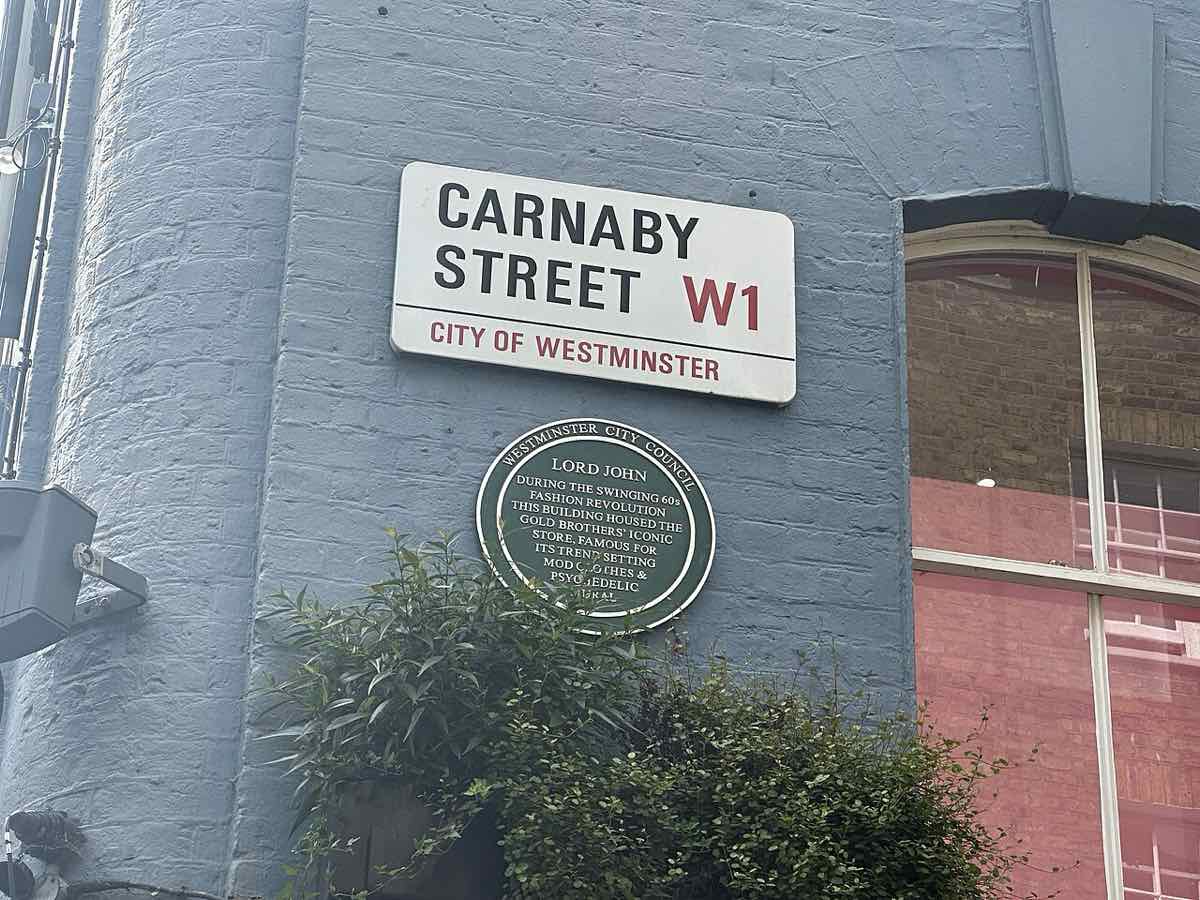
The Swinging Sixties
The 1960s were ten years of huge social change, known as "the Swinging Sixties". Fashion, cinema and pop music all boomed. The best-known bands of the day were The Beatles and The Rolling Stones. Many people were better off than before, and lots of them bought cars and household appliances (electrical machines for the home).
Social laws were also relaxed in this decade, for example the laws on divorce and abortion in England, Wales and Scotland. Women's position at work got better too. In those days many employers expected women to give up their jobs when they married. Parliament later passed laws giving women the right to equal pay for the same work, and making it illegal for employers to treat women unfairly because of their sex.
The fight for equal pay owed a lot to one strike. In 1968 the women who sewed car seat covers at Ford's factory in Dagenham walked out, because they had been classed as "unskilled" and were paid less. Their strike helped lead to the Equal Pay Act of 1970, and their story was later made into the film Made in Dagenham.
In technology, Britain and France worked together on Concorde, a passenger plane that could fly faster than the speed of sound (it was supersonic). In architecture, tower blocks and new styles using concrete and steel became common.
Quiz
Which of the following statements is correct?
Both bands belong to the Swinging Sixties, when British fashion, cinema and pop music boomed. Punk came later, in the late 1970s.
Quiz
Which TWO areas of social law were liberalised in the 1960s?
The laws on divorce and abortion were relaxed. Immigration laws were actually tightened in the late 1960s, and limiting the power of trade unions was the work of Margaret Thatcher's governments in the 1980s.