c. 3200–2500 BC
Stonehenge and Skara Brae: Stone Age remains
On a plain in Wiltshire, in England, stands a ring of huge upright stones: Stonehenge. It is the most famous monument left from the Stone Age. Nobody knows for certain what it was for, but people probably gathered there for ceremonies at certain times of the year. Today it is a UNESCO World Heritage Site.
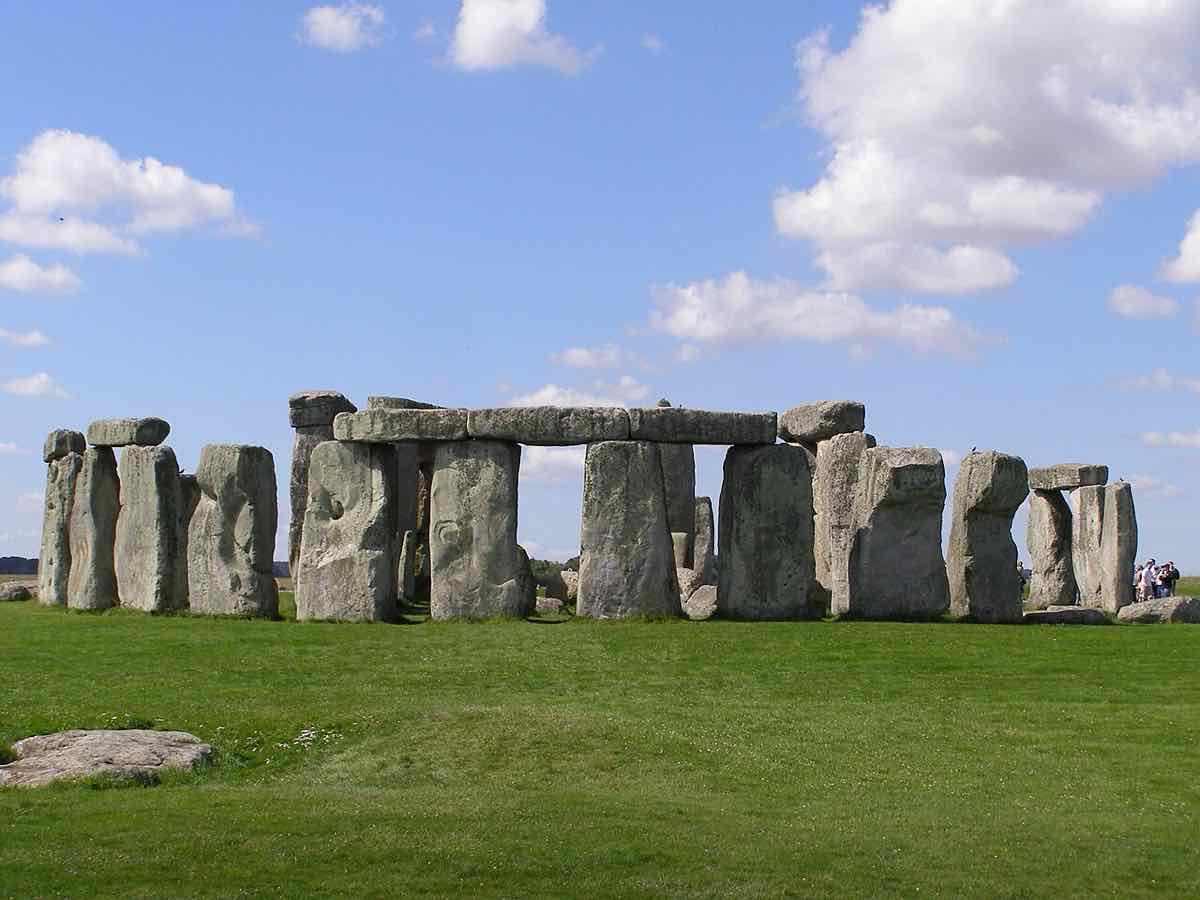
Whoever built it planned it carefully: the stones line up with the sunrise at midsummer and the sunset at midwinter. They also hauled them a long way. The big sarsens came from about 25 km away, the smaller "bluestones" from the Preseli Hills in Wales, about 240 km away, and in 2024 a study in the journal Nature traced the "Altar Stone" in the middle to north-east Scotland, some 700 km away. Exactly how stones weighing several tonnes were moved that far is still being worked out.
Skara Brae: a village uncovered by a storm
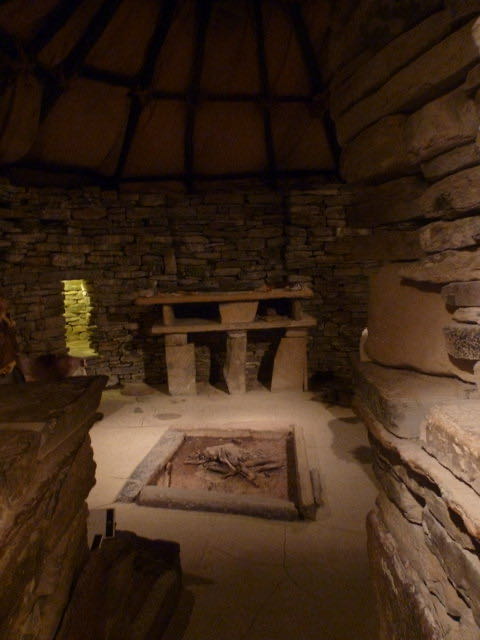
On Orkney, a group of islands off the north coast of Scotland, there is a Stone Age village called Skara Brae. No prehistoric village in northern Europe is better preserved, and it has taught archaeologists a great deal about how people lived at the end of the Stone Age.
People lived there from about 3180 BC to 2500 BC, until drifting sand dunes covered it. It stayed hidden for more than 4,000 years. Then, in the winter of 1850, a great storm stripped the sand from the shore, and local people found the roofless stone houses underneath.
Quiz
Which TWO of the following are Stone Age sites that can still be seen today?
Stonehenge and Skara Brae are both Stone Age sites. Hadrian's Wall was built by the Romans, and the Tower of London was built by William I after 1066.
Quiz
Where would you go to see Skara Brae, a Stone Age village better preserved than any other prehistoric village in northern Europe?
Skara Brae is on Orkney, north of mainland Scotland. Wiltshire is where you'll find Stonehenge, and Dorset is home to Maiden Castle, an Iron Age hill fort. The test often mixes up these three places.