Often tested
Electing your MP, and getting in touch
MPs are chosen at a General Election, held at least once every five years. When an MP dies or steps down, a separate election to replace them is held in that constituency. This is called a by-election.
MPs are elected using a system called first past the post. In each constituency, the candidate with the most votes wins, even without more than half of all the votes. The party that wins most constituencies, with a majority of seats, normally forms the government. If no party has a majority, two parties can work together and form a coalition.
The name comes from horse racing: the first horse to pass the winning post wins, however small its lead. In the same way, one vote more than anyone else is enough to win a seat.
Not every UK election works like this. The parliament and assemblies of Wales, Scotland and Northern Ireland are elected by forms of proportional representation, where each party's share of the seats roughly follows its share of all the votes.
Quiz
Is the statement below TRUE or FALSE? When an MP dies or resigns, their seat stays empty until the next General Election.
False. If an MP dies or resigns, a by-election is held in that constituency, so local people can elect a new MP straight away. They do not have to wait for the next General Election.
Quiz
What is the name of the voting system used to elect MPs to the House of Commons?
General elections use first past the post: in each constituency, the candidate with the most votes wins. Proportional representation is used for the Scottish Parliament, the Welsh Assembly and the Northern Ireland Assembly.
Need your MP? Write, phone, or go to a "surgery"
Every elected representative has a duty to serve and represent the people who elected them. Here is how to get in touch with yours:
- Look up the contact details of your representatives and their parties at a local library or on the UK Parliament website (parliament.uk). MPs, Assembly members and MSPs are also listed in BT's The Phone Book.
- Contact them by letter or phone, either at their local constituency office or at their House of Commons office.
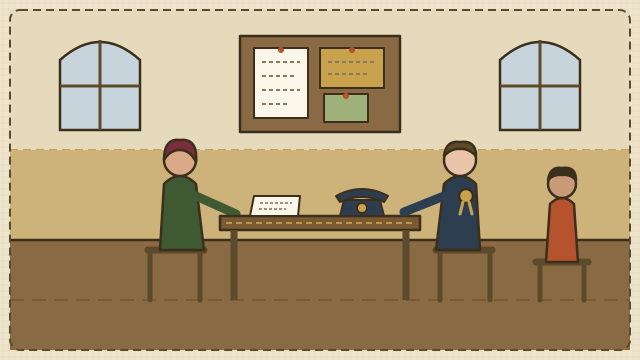
- Many MPs hold regular surgeries in their area, where you can go and talk to them in person about anything that worries you. Surgery times are usually advertised in the local newspaper.
Quiz
Which TWO of the following are ways to contact your MP?
You can write to or phone your MP at their constituency office or their House of Commons office, and many MPs hold regular local surgeries where you can talk to them face to face. So post is not the only way. Prime Minister's Questions is a weekly session in the House of Commons where MPs, not members of the public, question the Prime Minister.