1656–1720
A growing population: new arrivals
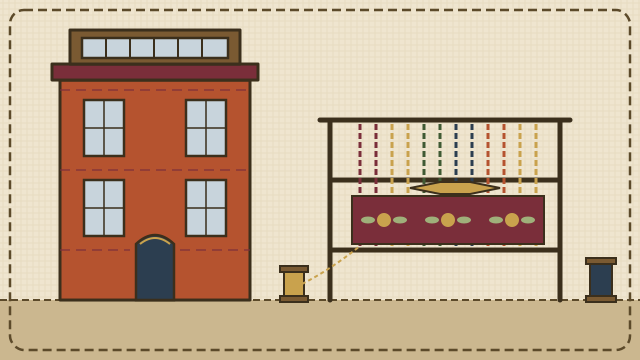
While kings and Parliament struggled over power in the 17th century, ordinary life was changing too. During these years, lots of people from Britain and Ireland sailed off to start new lives in colonies in America and other places. At the same time, newcomers were arriving:
- In 1656, Jewish people settled in London. They were the first Jews to make a home here since the Middle Ages.
- From 1680 to 1720, large numbers of refugees known as Huguenots fled to Britain from France. They were Protestants who had been persecuted in France because of their religion. Many were well educated and highly skilled, and they worked in science, banking, weaving and other crafts.
The English word "refugee" is thought to have come from the French réfugié around this time, and it was first used for the Huguenots. Many Huguenot weavers settled in Spitalfields in east London and became famous for weaving silk; you can still see their old houses there today. Jewish people had been allowed to settle again under Cromwell (they had been expelled from England in 1290), and Bevis Marks Synagogue, which opened in 1701, is the oldest synagogue in Britain that is still in use.
Quiz
Which TWO statements about the Huguenots are correct?
The Huguenots were French Protestants who had been persecuted for their faith, and they came to Britain between 1680 and 1720. Many were educated and skilled, working in science, banking, weaving and other crafts. B gets both the religion and the country wrong. D describes the Jewish people who settled in London in 1656.