British humour: from court jesters to Monty Python
Making jokes, poking fun at people in power and laughing at yourself are a big part of the British character. The tradition goes back a long way:
- The Middle Ages: kings and rich nobles kept a jester, whose job was to tell jokes and tease people at court.
- Later, Shakespeare put comic characters into his plays.
- The 18th century: political cartoons making fun of well-known politicians became popular. Sometimes even the monarch and the Royal Family were targets.
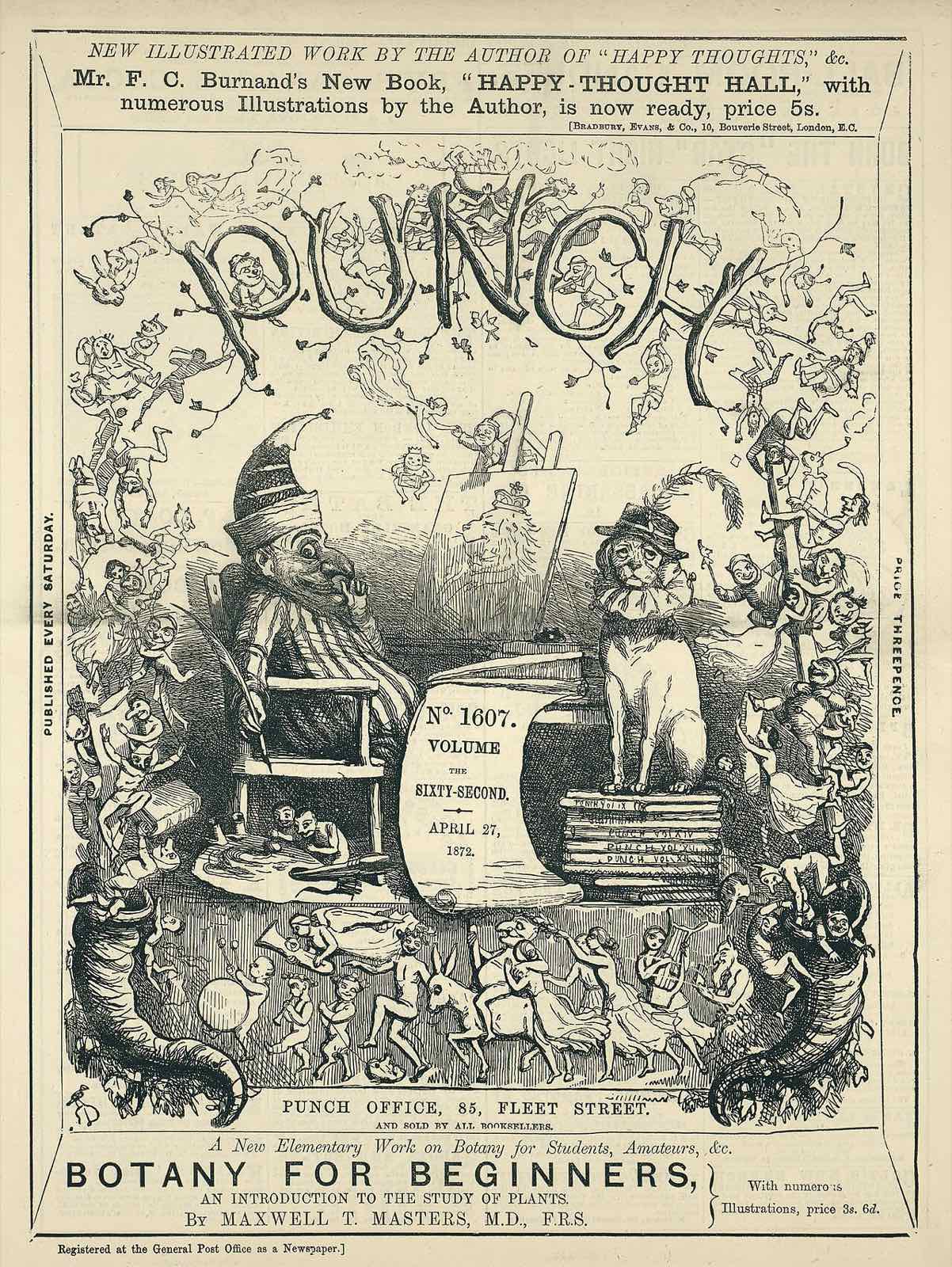
- The 19th century: satirical magazines (magazines that mock people in public life) appeared. The most famous was Punch, first published in the 1840s. Newspapers still print political cartoons today, and magazines such as Private Eye carry on the satirical tradition.
Before most people had a television, a favourite night out was the music hall, a variety show of songs and acts in which comedians were the main attraction. Some performers who started in music halls in the 1940s and 1950s later became TV stars, such as the double act Morecambe and Wise.
TV comedy then developed its own styles:
- Sitcoms (short for "situation comedy"): usually about family life or people at work, and still very popular.
- Satire shows: from the 1960s, That Was The Week That Was; from the 1980s and 1990s, Spitting Image.
- In 1969, Monty Python's Flying Circus brought a completely new, surreal kind of comedy.
- Stand-up comedy, where one comedian tells jokes to a live audience, has made a big comeback recently.
Quiz
Which satirical magazine first appeared in the 1840s and became the best known of its time?
It's Punch. Private Eye is a satirical magazine that is still published today, while Spitting Image and Monty Python's Flying Circus were TV programmes.