Four patron saints, four special days
Each of the four nations has its own patron saint, a saint who is thought to watch over that country, and every saint has a day of their own:
 1 Mar
St David's Day
Wales
 17 Mar
St Patrick's Day
Northern Ireland
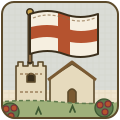 23 Apr
St George's Day
England
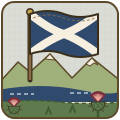 30 Nov
St Andrew's Day
Scotland
- 1 March: St David's Day, Wales
- 17 March: St Patrick's Day, Northern Ireland
- 23 April: St George's Day, England
- 30 November: St Andrew's Day, Scotland
Only Scotland and Northern Ireland make their saint's day an official holiday, and even in Scotland some businesses and offices stay open. There are celebrations all over the UK, especially in places where many people have Scottish, Northern Irish or Irish roots.
In England and Wales these days are not public holidays any more, but people still celebrate them with parades and small festivals.
The saints themselves have colourful stories. St George, the dragon-slayer of legend, is said to have been a soldier in the Roman army and never set foot in England. St Patrick, by his own account, was born in Britain, captured as a young man and taken to Ireland as a slave, and later went back to spread Christianity. St David was a 6th-century Welsh bishop, and on his day many people wear a daffodil, the national flower of Wales. St Andrew, one of the twelve apostles of Jesus, gives Scotland's flag its white diagonal cross, from the story that he was put to death on an X-shaped cross; his day has been a bank holiday in Scotland since 2007. Put the crosses of St George, St Andrew and St Patrick together and you get the Union Flag (see A Global Power).
Quiz
On which date is St Andrew's Day, the day of Scotland's patron saint?
1 March is St David (Wales), 17 March St Patrick (Northern Ireland), 23 April St George (England) and 30 November St Andrew (Scotland). Memory tip: the first three are all in spring; only Scotland's comes at the end of the year.