Next door, but not the UK: the Crown dependencies
Some islands have very close ties with the UK but are not part of it. These are the Channel Islands, in the English Channel, and the Isle of Man, in the Irish Sea. They have their own governments, and they are known as Crown dependencies.
According to GOV.UK, there are three Crown dependencies: Jersey, Guernsey (which includes smaller islands nearby, such as Alderney and Sark) and the Isle of Man. The British monarch reigns over them, but they run their own affairs. Each has its own elected parliament, and its own government, taxes and legal system. The UK government looks after their defence and foreign relations.
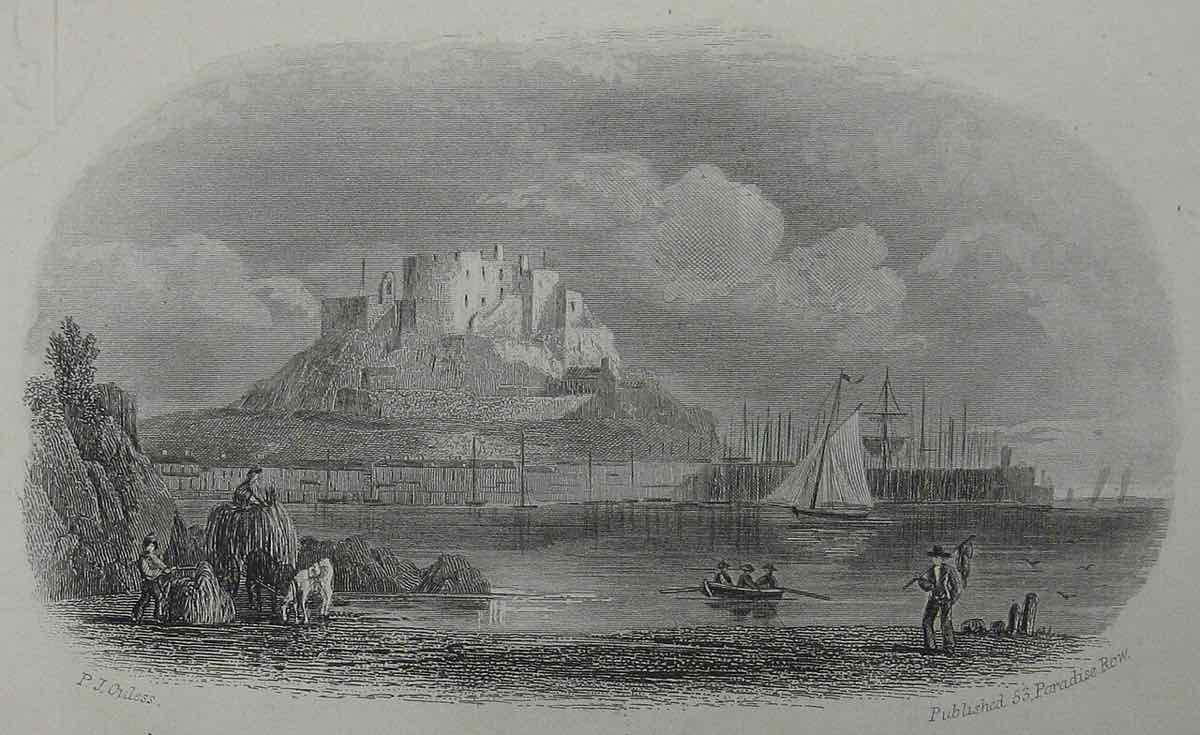
The Channel Islands are much closer to France than to Britain: Jersey is only about 22 km from the coast of Normandy, but around 160 km from Great Britain. They belong with Britain because of 1066. The islands were part of the Duchy of Normandy, and William I, who conquered England, was the Duke of Normandy. When King John lost mainland Normandy to France around 1204, the islands stayed with the English king, and at formal dinners there the traditional loyal toast still calls the monarch "our Duke". In the Second World War they were the only British territory in Europe occupied by Nazi Germany, from the end of June 1940 until May 1945.
By the way, if you live in the Channel Islands or on the Isle of Man, the Life in the UK test is arranged differently for you.
Quiz
Which of the following statements is correct?
The Isle of Man and the Channel Islands are Crown dependencies. They have their own governments and are not part of the UK.