18th century–1833
The slave trade and the fight to end it
Part of Britain's commercial growth and wealth was built on the slave trade. Slavery was illegal in Britain itself, but by the 18th century the slave trade overseas was a well-established industry, run mainly by Britain and its colonies in North America.
Most enslaved people came from West Africa. They were crammed into British ships and carried in horrific conditions to America and the Caribbean, where they were forced to work on tobacco and sugar plantations. Their living and working conditions were terrible. Many tried to escape, and some rose up against their owners.
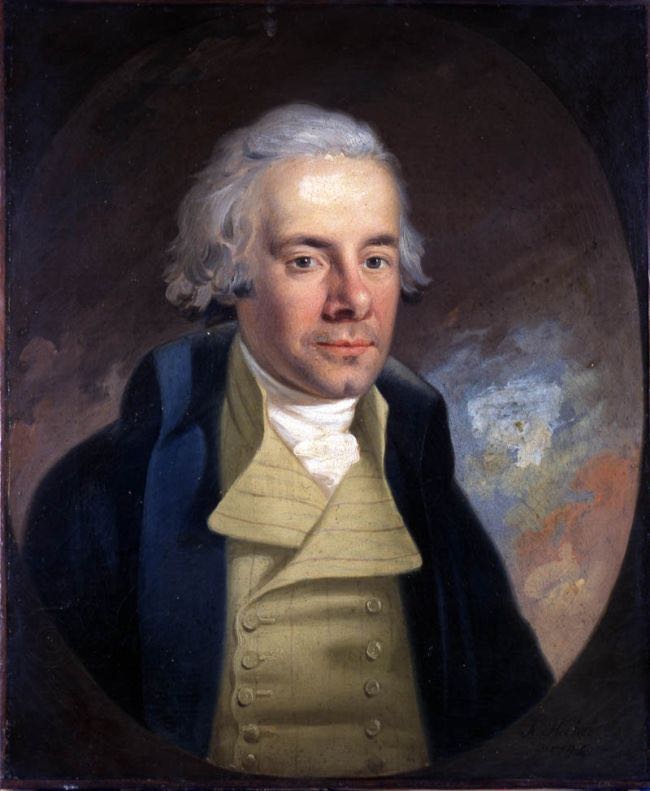
In the late 18th century the Quakers set up the first formal groups against slavery and asked Parliament to ban it. William Wilberforce, an evangelical Christian and Member of Parliament, worked with other abolitionists (people campaigning to end slavery) and helped change the way the public saw the slave trade.
- 1807: it became illegal to buy and sell slaves using British ships or British ports.
- 1833: the Emancipation Act ended slavery throughout the British Empire. The Royal Navy also stopped slave ships from other countries, freed the people on board and punished the slave traders.
After 1833, Britain brought in 2 million workers from India and China to take the place of the freed slaves. They were sent to the Caribbean to work on sugar plantations, to South Africa to work in the mines, to East Africa to build railways, and to Kenya to serve in the army.
Quiz
In which year did the Emancipation Act abolish slavery throughout the British Empire?
1807 banned only the slave trade; 1833 ended slavery itself across the Empire. These two years are the ones people mix up most. 1776 is American independence and 1851 is the Great Exhibition.