1348
The Black Death: one person in three
In 1348, only eleven years into the Hundred Years War between England and France, a plague spread from mainland Europe and reached Britain. Later it came to be called the Black Death. Roughly one in three people in England died, and Scotland and Wales lost about the same share. It was so bad that England and France stopped fighting for several years. It was one of the worst disasters in British history. In Ireland, many people died in the Pale, the area around Dublin under English rule, and for a time the land under English control shrank.
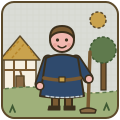 Survived
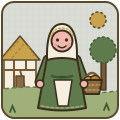 Survived
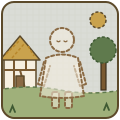 Died of the Black Death
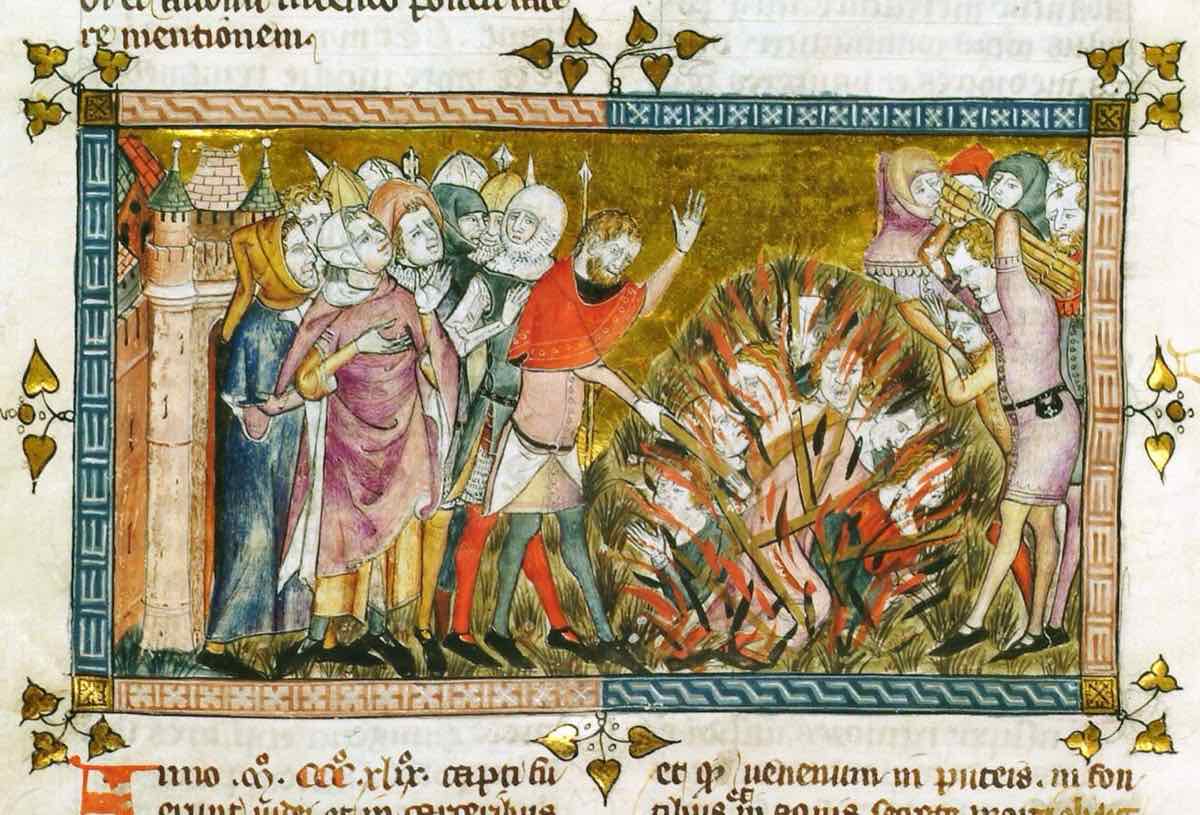
With so many people suddenly gone, society changed:
- There were fewer mouths to feed, so farmers needed to grow less grain.
- There were fewer workers, so peasants started asking for more pay.
- New groups in society appeared, like people who owned big estates. They were later known as the gentry.
- Many people moved from the countryside into the towns. The towns grew richer, and a strong middle class developed.
The medieval system of lords and serfs, known as feudalism, had seemed as if it would never change. After the Black Death, lords could not find enough people to work their fields, serfs could no longer be tied to the land so easily, and a system that had lasted for centuries began to come loose. In 1381 peasants angry about new taxes and old rules even rose up in the Peasants' Revolt and fought their way into London. A single plague had changed the whole shape of society.
Quiz
Approximately what proportion of the population of England died in the Black Death of 1348?
About one in three. The usual traps are "one half" and "one quarter". Picture three people standing in a row, with one of them missing.