Often tested
British poets: from Beowulf to Poets' Corner
British poetry is among the richest in the world. Here it is period by period:
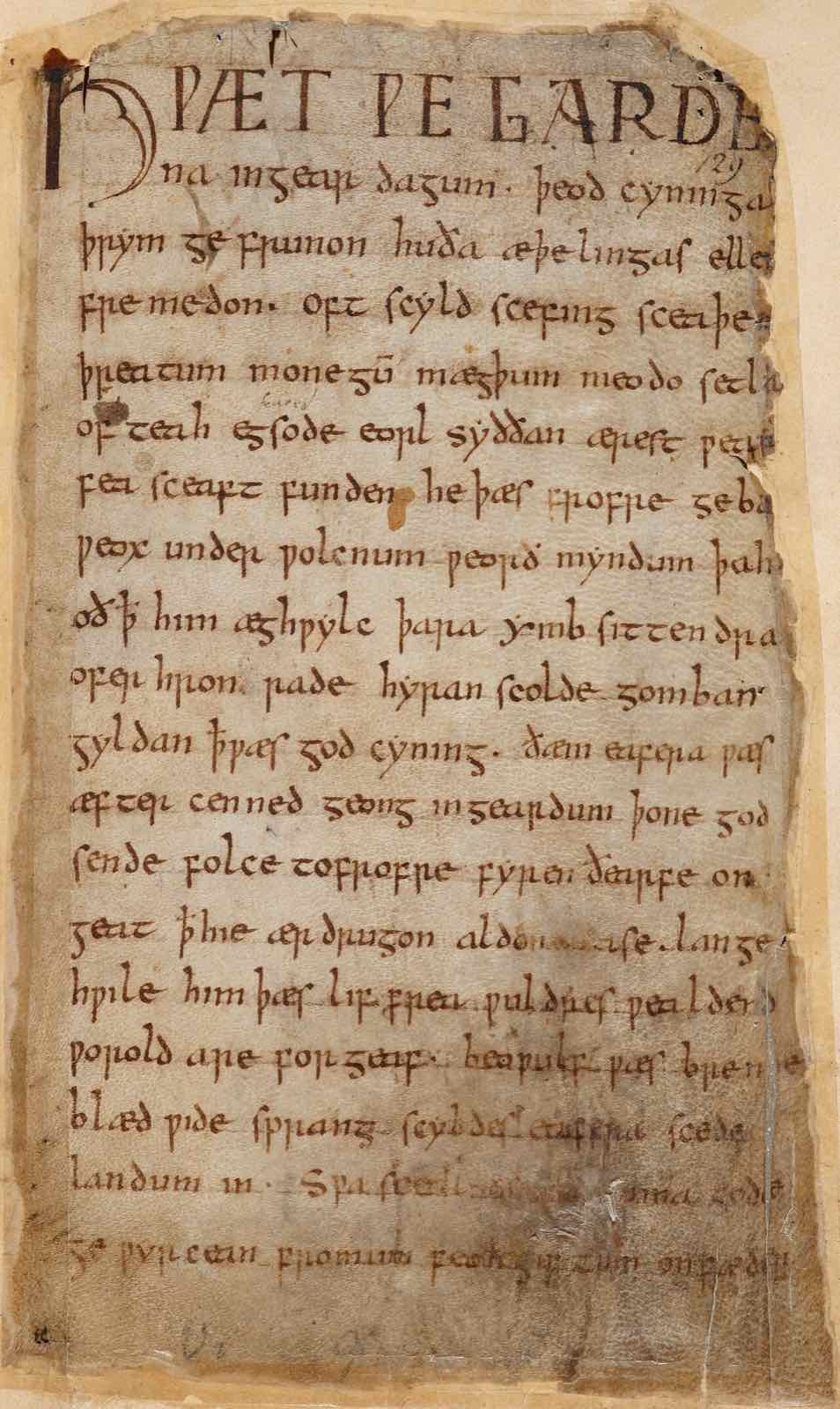
- Anglo-Saxon times: the long poem Beowulf tells of a hero who fights monsters. People are still translating it into modern English today.
- The Middle Ages: poems that survive from this time include Chaucer's Canterbury Tales (see The Middle Ages) and Sir Gawain and the Green Knight, about a knight at the court of King Arthur.
- Shakespeare: as well as plays, he wrote many sonnets, poems that must have exactly 14 lines, and a few longer poems (see The Tudors).
- After Protestant ideas spread: some poets took their inspiration from religion, such as John Milton, who wrote Paradise Lost. By the time he wrote it he was blind, so he spoke the whole poem aloud and other people wrote it down.
- Inspired by nature: poets such as William Wordsworth. Sir Walter Scott based his poems on Scotland and on the old stories and songs of the lands along the Scottish–English border. He also wrote novels, many of them set in Scotland.
- The 19th century, when poetry was hugely popular: William Blake and John Keats; Lord Byron and Percy Shelley; Alfred Lord Tennyson; and the married couple Robert and Elizabeth Browning.
- The First World War: many poets wrote about what they saw and felt in the war, for example Wilfred Owen and Siegfried Sassoon.
- More recently: popular poets include Ted Hughes, John Masefield, Sir John Betjeman and Sir Walter de la Mare.
Many of the most famous poets are buried in, or have a memorial in, Poets' Corner in Westminster Abbey.
Quiz
Where would you find Poets' Corner?
Poets' Corner is in Westminster Abbey in London. St Paul's Cathedral and Canterbury Cathedral are famous churches too, but Poets' Corner isn't there, and Edinburgh Castle is a landmark in Scotland.
Quiz
Which TWO poets wrote about their experiences in the First World War?
Wilfred Owen and Siegfried Sassoon both wrote about what they went through in the First World War. John Milton wrote Paradise Lost after Protestant ideas had spread, and Ted Hughes is a more recent poet.
Quiz
Is the statement below TRUE or FALSE? Sir Gawain and the Green Knight is an Anglo-Saxon poem about a hero who fights monsters.
False. The Anglo-Saxon poem about a hero who fights monsters is Beowulf. Sir Gawain and the Green Knight is a poem that survives from the Middle Ages, about a knight at the court of King Arthur.