Often tested
Theatre: the West End, The Mousetrap and pantomime
Most towns and cities in Britain have a theatre, from big playhouses to tiny studios. Theatres are an important part of local life, with shows by both professional and amateur companies. London's West End, also called "Theatreland", is especially famous. Dame Agatha Christie's murder mystery The Mousetrap has been on stage in the West End since 1952. No other show in history has had such a long first run.
At the end of every performance, the actors ask the audience to keep the murderer's identity a secret. In 1974 the play moved from the Ambassadors Theatre to St Martin's Theatre next door; because there was no break, it still counted as the same run.
Musicals: from Gilbert and Sullivan to Lloyd Webber
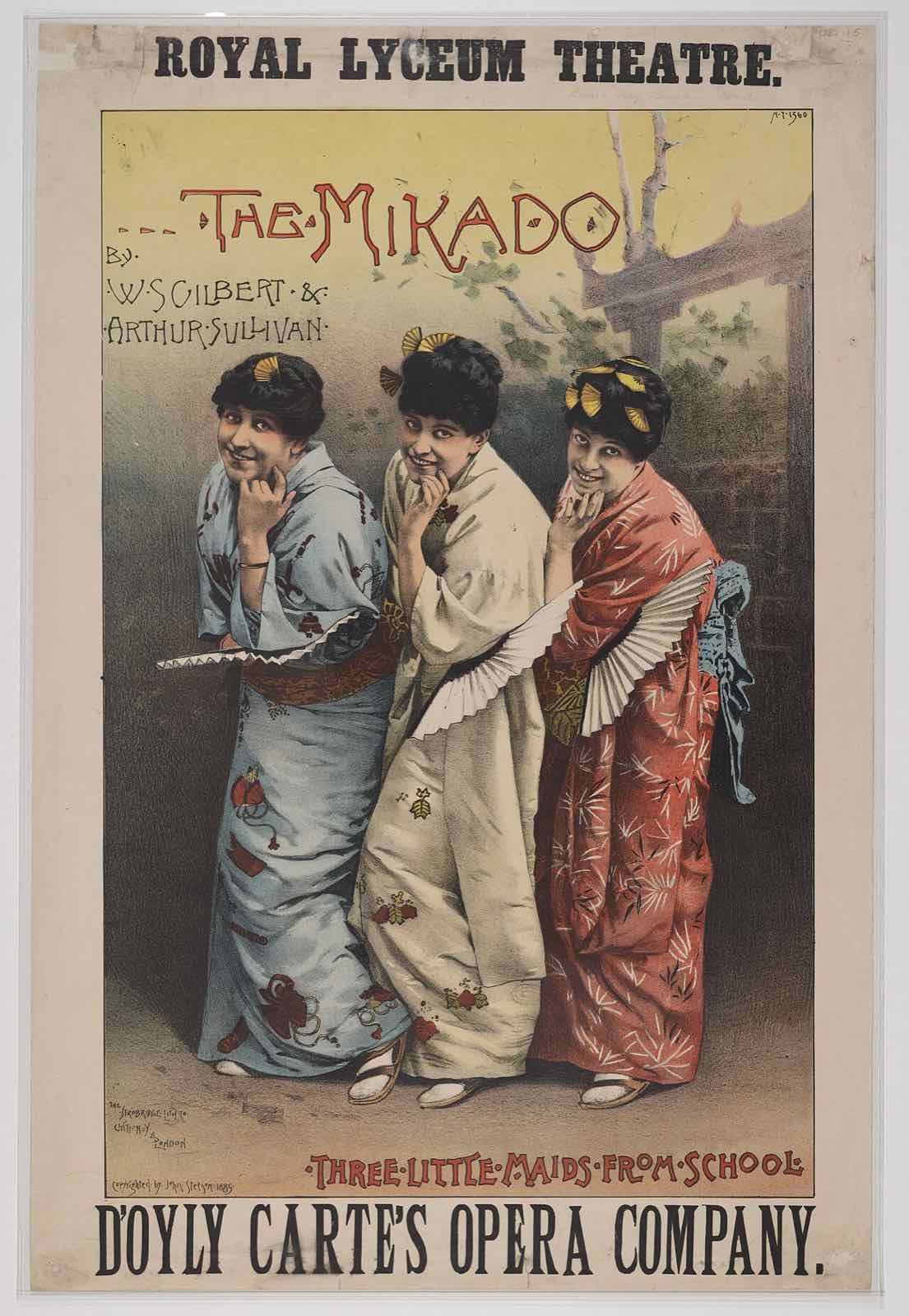
Britain has a strong tradition of musical theatre. In the 19th century, Gilbert and Sullivan wrote many comic operas that poked fun at the popular culture and politics of their day. Examples are HMS Pinafore, The Pirates of Penzance and The Mikado. Professional and amateur groups still put them on today. Most of them opened at the Savoy Theatre in London, which in 1881 became the first public building in the world to be lit entirely by electric light.
A more recent name is the composer Andrew Lloyd Webber, whose musicals have been hits around the world. With the lyricist (song-word writer) Tim Rice he wrote Jesus Christ Superstar and Evita, and his other shows include Cats and The Phantom of the Opera.
Pantomime and the Edinburgh Fringe
One very British tradition is pantomime. At Christmas many theatres put on a "panto": a light-hearted comedy with songs, based on a fairy tale and meant for the whole family. One traditional character is the Dame, an old woman played by a man. There is often a pantomime horse or cow too, played by two actors sharing one costume. The audience is expected to join in loudly: when the villain creeps up behind the hero, everyone shouts "He's behind you!"
Every summer the Scottish capital hosts the Edinburgh Festival, which is really a group of arts and culture festivals. The largest and best known is the Edinburgh Festival Fringe, or simply "the Fringe". It is mostly theatre and comedy, and many of the shows are experimental. For the history of British comedy and TV comedy, see Leisure and Places of Interest.
The Fringe began without an invitation. When the Edinburgh International Festival was first held in 1947, eight theatre groups who hadn't been invited came anyway and performed on the "fringe", or edge, of the festival. That is also where the term "fringe theatre" (small, experimental theatre) comes from.
The top theatre prizes are the Laurence Olivier Awards, given every year in London, with categories such as best director, best actor and best actress. The awards take their name from Sir Laurence Olivier (later Lord Olivier), a British actor remembered above all for his many Shakespeare roles.
Quiz
Is the statement below TRUE or FALSE? Agatha Christie's play The Mousetrap opened in the West End in 1952, and no show in history has had a longer first run.
True. The Mousetrap has been running since 1952, the longest first run of any show. Remember three things: Christie, the West End, 1952.
Quiz
Which TWO of these were written by Gilbert and Sullivan?
HMS Pinafore and The Mikado are 19th-century comic operas by Gilbert and Sullivan. Cats and Evita are 20th-century musicals by Andrew Lloyd Webber. An easy way to sort them: the old ones are Gilbert and Sullivan, the newer ones are Lloyd Webber.
Quiz
Is the statement below TRUE or FALSE? The Edinburgh Festival Fringe takes place every summer, and most of its shows are theatre and comedy.
True. The Fringe is the largest and best-known part of the Edinburgh Festival, held every summer in Scotland's capital. Its shows are mostly theatre and comedy, and many of them are experimental.
Quiz
The Laurence Olivier Awards are named after Sir Laurence Olivier. What was he best known for?
Olivier was a British actor, best known for playing in many of Shakespeare's plays. The Mousetrap was written by Agatha Christie, and the composer who wrote musicals with Tim Rice is Andrew Lloyd Webber. The awards are given every year in London.
Quiz
Which TWO of the following statements about pantomime are correct?
Pantomimes are put on at Christmas. They are light-hearted comedies based on fairy tales, not serious historical plays. The Dame is a female character, but she is traditionally played by a man; a pantomime horse or cow is two actors squeezed into one costume.