18th century
The Enlightenment: Scotland's great thinkers
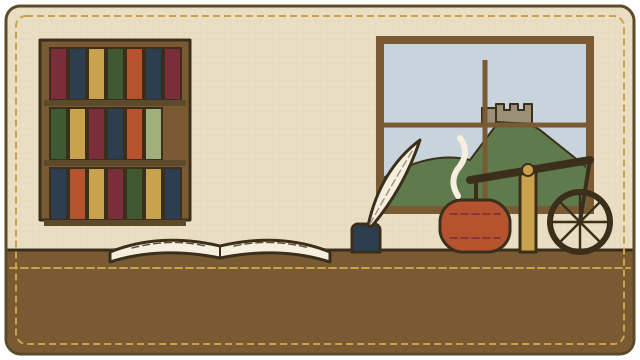
After the Battle of Culloden, families in the Scottish Highlands were gradually forced off their land. At the same time, Scotland's universities and cities were entering a golden age of ideas. In the 18th century, lots of new ideas appeared in politics, philosophy and science. This period is called the Enlightenment. Many of its most important thinkers were Scottish:
Ideas about economics that people still quote today
Wrote about human nature, and still influences philosophers
His work on steam power helped drive the Industrial Revolution
One of the Enlightenment's key ideas was that people should be free to hold whatever political and religious beliefs they choose, and the state should not tell them what to believe. This is still an important principle in the UK today.
Watt did not actually invent the steam engine. Earlier engines were mainly used to pump water out of mines, and they burned huge amounts of coal. While repairing an old one at the University of Glasgow, Watt had the idea of adding a "separate condenser", which made the engine far more efficient; the watt, the unit of power you see on electrical goods, is named after him. Adam Smith's most famous book, The Wealth of Nations, came out in 1776, the same year the United States declared independence.
The poet Robert Burns (1759–1796) belongs to the same Scottish age. Known in Scotland as "The Bard", he wrote poems in Scots and in English and reworked many old folk songs. His most famous is Auld Lang Syne, which people in Britain sing together at New Year. The tune has travelled far: in many countries it is also sung at graduations and farewells.
Quiz
Which TWO were important Scottish thinkers of the Enlightenment?
Adam Smith (economics) and David Hume (philosophy) were both Scottish Enlightenment thinkers. Chaucer was a medieval writer, the author of The Canterbury Tales, and Walpole was the first Prime Minister, not a thinker.