11 November 1918
11 o'clock on 11 November: the armistice
At 11 o'clock in the morning on 11 November 1918, the armistice (the agreement to stop fighting) came into force. The First World War was over, and Britain and its allies had won.
This day became Remembrance Day. People wear red poppies, because these flowers grew all over the battlefields of the First World War. At 11 am the country falls silent for two minutes. On Remembrance Sunday, the Sunday nearest to 11 November, the national ceremony is held at the Cenotaph, the war memorial in Whitehall, London, where wreaths are laid.
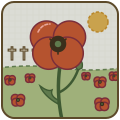 Poppies
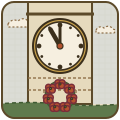 Two minutes' silence at 11:00
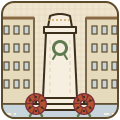 The Cenotaph in Whitehall
The poppy became a symbol through a poem. In 1915 John McCrae, a Canadian army doctor, saw red poppies growing between the graves of fallen soldiers on the battlefields of Flanders in Belgium, and wrote In Flanders Fields. Since 1921 the Royal British Legion has sold poppies every year to raise money for former soldiers and their families, and it still does. Another memorial dates from the same years: on 11 November 1920 a soldier whose name nobody knew, the "Unknown Warrior", was buried in Westminster Abbey to stand for everyone whose body was never found.
The war even changed the royal family's name. The family was called "Saxe-Coburg and Gotha", which sounded very German at a time when Britain was fighting Germany, so in 1917 George V renamed it Windsor, after Windsor Castle. The royal family is still called Windsor today.
Quiz
Is the statement below TRUE or FALSE? Fighting in the First World War stopped at 11 o'clock in the morning on 11 November 1918.
Remember the three elevens: the 11th hour of the 11th day of the 11th month. That is why Remembrance Day is on 11 November and the silence is at 11 am.