Often tested
Parliamentary democracy: from the ballot box to the Prime Minister and cabinet
Britain is run as a parliamentary democracy. The whole country is split into areas called constituencies. At a General Election, the people living in each constituency choose one MP to represent them, and together these MPs make up the House of Commons.
Nearly every MP belongs to a political party. Whichever party has more than half of the MPs forms the government. If no party has over half, two parties may agree to govern together as a coalition.
Here is how it works: voters elect MPs, the monarch invites the leader of the largest party in the Commons to be Prime Minister, and the Prime Minister then appoints the cabinet. Let's start with the Prime Minister.
The Prime Minister and the cabinet
The Prime Minister (or PM) leads whichever party is in power. The PM chooses the members of the cabinet and has the final say over many important public jobs.
The PM lives and works at 10 Downing Street, a short walk from the Houses of Parliament in central London. The PM also has the use of a country house outside London, called Chequers.
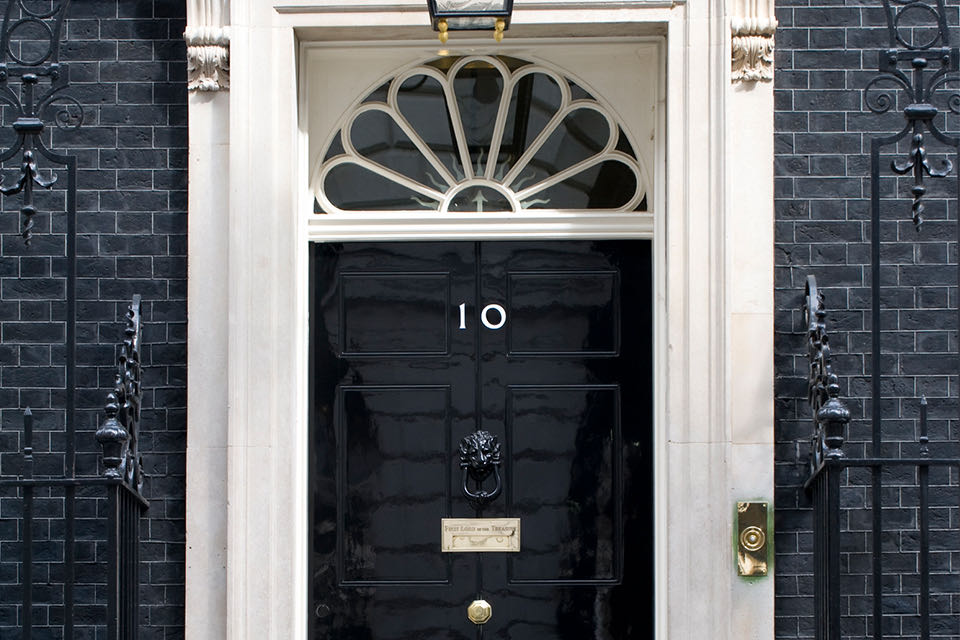

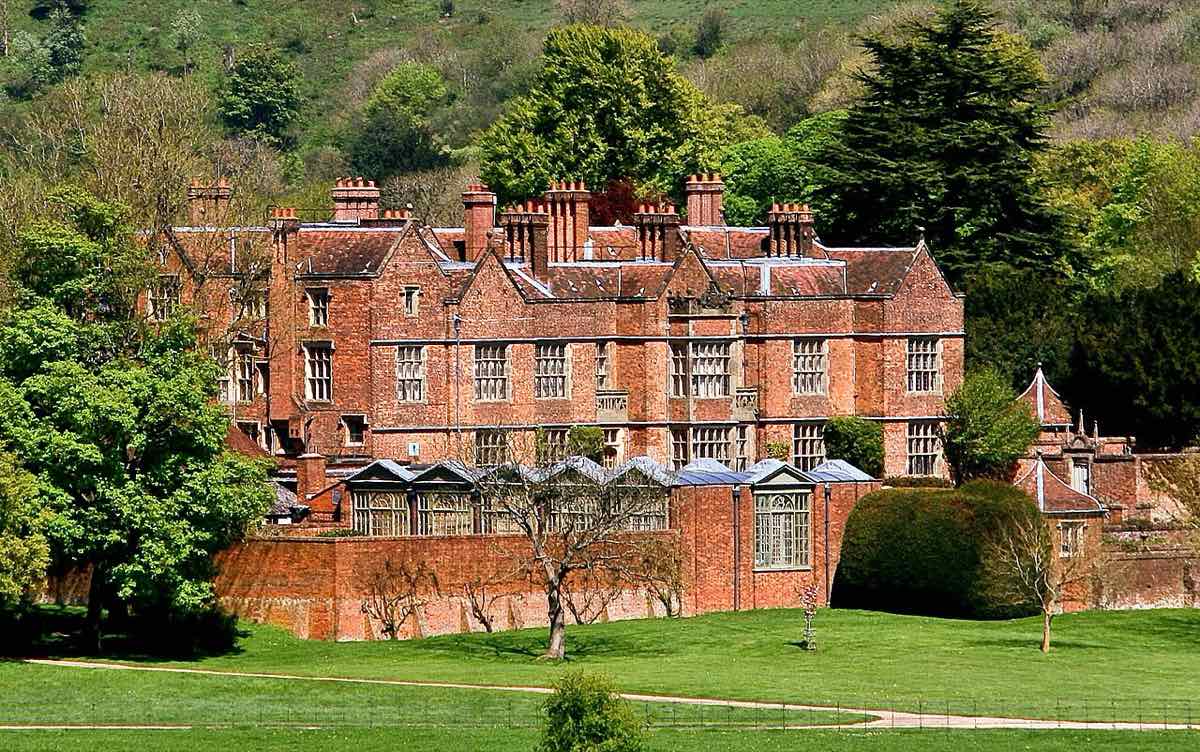

A Prime Minister doesn't always stay until the next election. MPs from the governing party can decide to replace their leader, or the PM may choose to step down. And if the governing party is defeated at a General Election, the PM normally resigns.
The cabinet: about 20 senior ministers
The PM picks around 20 senior MPs to run government departments as ministers. Among them are:
- the Chancellor of the Exchequer, in charge of the economy
- the Home Secretary, in charge of crime, policing and immigration
- the Foreign Secretary, who deals with Britain's relations with other countries
- other ministers, known as Secretaries of State, who cover areas such as education, health and defence
This group of ministers is called the cabinet. It normally meets every week to make the most important decisions about government policy, and Parliament often has to discuss or vote on those decisions.
Below the cabinet ministers, every department has more junior ministers, with titles such as Ministers of State or Parliamentary Under-Secretaries of State. Each of them handles one part of the department's work.
The Chancellor's odd title goes back to a medieval royal finance office. Its officials did their sums and collected taxes at a table covered with a chequered cloth, moving counters around on it rather like pieces in a board game, and that cloth gave the Exchequer its name.
Quiz
What is the name of the Prime Minister's country house outside London?
It's Chequers. Balmoral, Sandringham and Windsor Castle are all royal homes, not the Prime Minister's.
Quiz
Which member of the cabinet is in charge of the economy?
The Chancellor of the Exchequer is responsible for the economy. The Home Secretary deals with crime, policing and immigration, and the Foreign Secretary with other countries. The Speaker isn't in the cabinet at all: the Speaker chairs debates in the House of Commons.
Quiz
Which cabinet minister is responsible for crime, policing and immigration?
The Home Secretary is responsible for crime, policing and immigration. The Foreign Secretary looks after relations with other countries, and the Chancellor of the Exchequer looks after the economy. The Prime Minister appoints these ministers and leads the government as a whole.
Quiz
Is the statement below TRUE or FALSE? The cabinet usually meets once a month to make important decisions about government policy.
False. The cabinet usually meets every week, not once a month. Many of its decisions then have to be debated or approved by Parliament.