The opposition, political parties and pressure groups
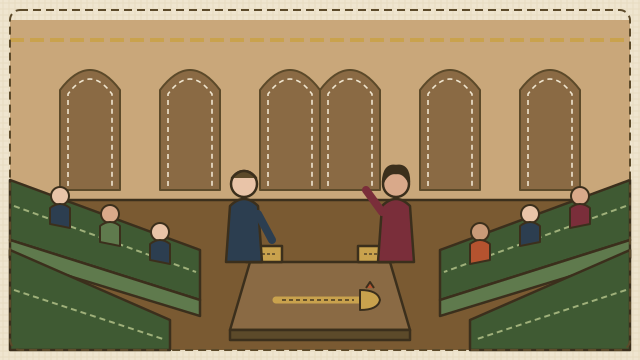
The opposition and the shadow cabinet
In the House of Commons, the party with the second-highest number of MPs is known as the opposition. Its leader normally becomes Prime Minister if the party wins the next General Election.
The opposition's job is to keep the government on its toes. Its leader heads the party's criticism of anything they think the government is getting wrong or doing badly. A key moment for this is Prime Minister's Questions, held once a week whenever Parliament is sitting. The opposition leader also gives senior MPs from their own party the role of "shadow ministers". Together they make up the shadow cabinet, which challenges the government and offers different policies.
The opposition's official name is Her Majesty's Most Loyal Opposition, because opposing the government is not the same as being disloyal to the country. Prime Minister's Questions now takes place at midday on Wednesdays. It used to be two short sessions a week, until Tony Blair made it one longer Wednesday session after he became Prime Minister in 1997; it moved to midday in 2003, when the Commons changed its sitting hours.
The party system
You can stand for election as an MP from the age of 18. In practice, though, candidates rarely win unless one of the main parties has chosen them. The main parties are the Labour Party, the Conservative Party and the Liberal Democrats, plus parties that speak up for Scotland, Wales or Northern Ireland.
A few MPs are independents: they aren't part of any main party, and they usually campaign on one issue that matters in their local area.
The big parties are always keen for ordinary people to get involved: to take part in discussions, donate money, and help during national and local election campaigns. Most constituencies have a local branch of each main party, and each party holds a conference every year to agree its policies.
Pressure and lobby groups
Pressure and lobby groups are organisations that try to change what the government does, and they matter a lot in British politics. Some speak for a particular part of society: for example, the CBI (Confederation of British Industry) gives the views of British business. Others campaign on one cause, such as Greenpeace on the environment, or Liberty on human rights.
Quiz
How often does Prime Minister's Questions take place while Parliament is sitting?
Prime Minister's Questions is held every week while Parliament is sitting. It is one of the main chances for the leader of the opposition to challenge the government over its failures and weaknesses. It is not a daily event, and it happens far more often than once a month or once a year.
Quiz
Which of the following statements is correct?
The leader of the opposition picks the shadow cabinet from their own party. The Prime Minister appoints the real cabinet.