Customs and Traditions: From Bonfire Night to Christmas
Every year on the night of 5 November, the bang of fireworks fills parks and back gardens all over Britain. People crowd round huge bonfires to keep warm, and in some places a straw dummy is thrown onto the flames. What they are remembering is an explosion that never happened, more than four hundred years ago.
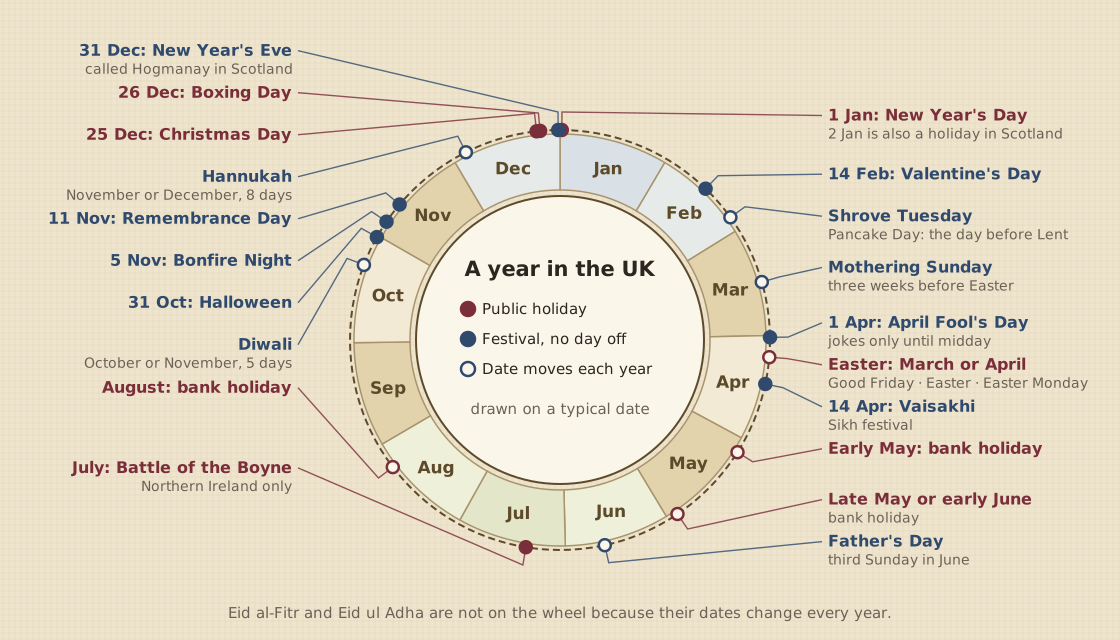
The British year is full of special days. There are Christian festivals such as Christmas and Easter; Hindu, Sikh, Jewish and Muslim festivals; traditions like Halloween and April Fool's Day that have nothing to do with religion; and a handful of bank holidays. This chapter covers the handbook's section on Customs and traditions in chapter 4. Let's start with a picture of the whole year:
Red marks public holidays and blue marks other festivals. Hollow dots are for dates that move from year to year, drawn on a typical date. For the patron saints' days, see the previous chapter, The UK Today.
Christmas and Boxing Day
On 25 December, Christmas Day marks the birth of Jesus Christ, and everyone gets the day off as a public holiday. Lots of Christians attend a church service on Christmas Eve (24 December) or on the day itself.
Christmas in Britain is very traditional. Most families stay at home and sit down to a special meal, often with roast turkey, Christmas pudding and mince pies. People give presents, send Christmas cards and decorate their homes, and many put up a Christmas tree indoors and decorate it.
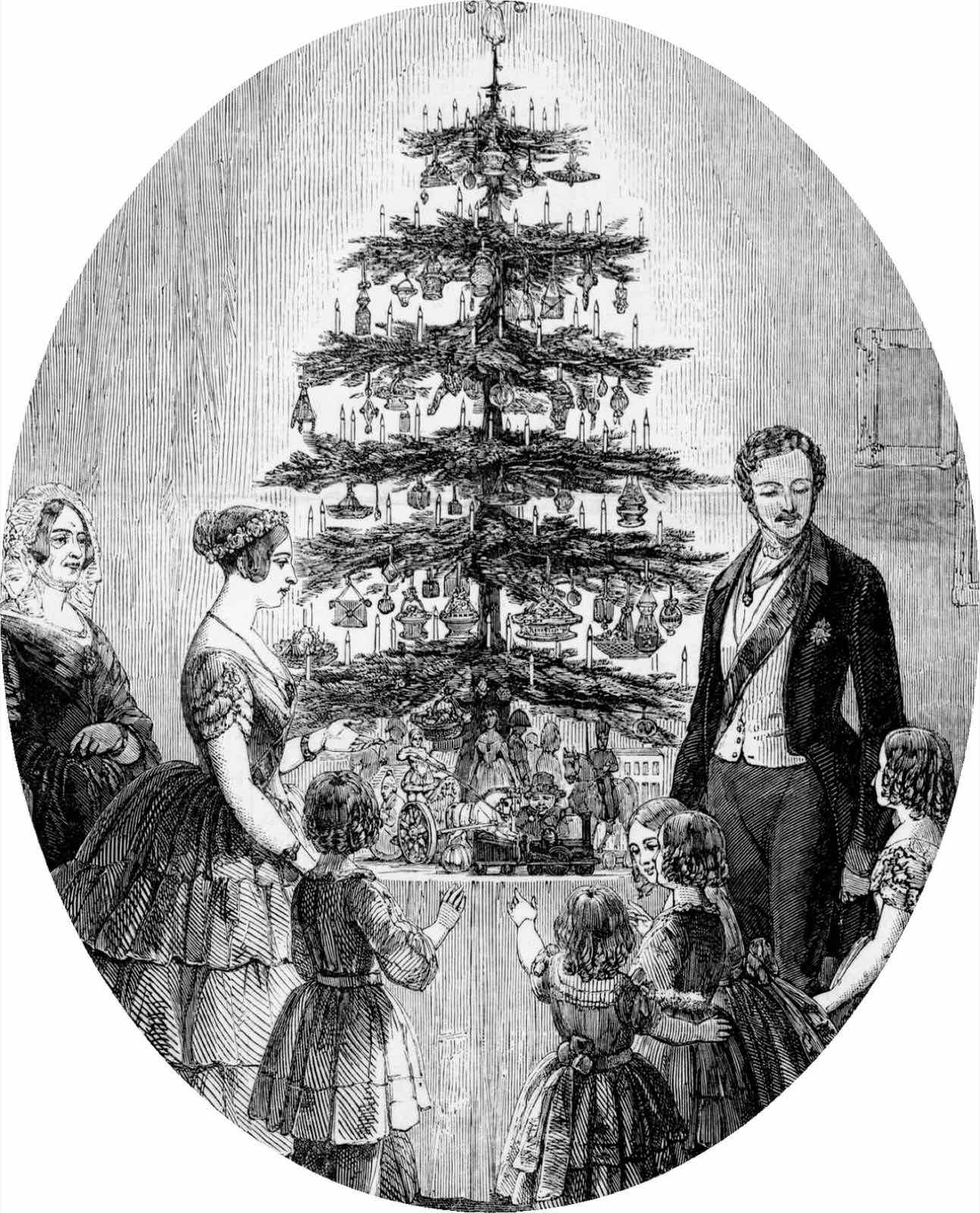
Some of these traditions are younger, or older, than they look. The Christmas tree is a German custom: as early as 1800, Queen Charlotte, the German wife of George III, had one at Windsor. What really made it catch on was the 1848 engraving below. When people saw Queen Victoria and her German-born husband, Prince Albert, celebrating round a tree with their children, they wanted one too. Mince pies, meanwhile, really did contain meat in the past; today the filling is mostly dried fruit, such as raisins, mixed with spices.
For children, Christmas is the most exciting day of the year. The youngest ones believe that Father Christmas, also called Santa Claus, comes in the night before Christmas Day and leaves them presents.
The next day, 26 December, is Boxing Day, and it is also a public holiday.
Despite the name, Boxing Day has nothing to do with the sport. The name is usually thought to come from the "Christmas box": in the past, on the day after Christmas, employers gave servants and delivery workers a box with money or a gift inside. But nobody is completely sure where the name comes from.
An engraving from the Illustrated London News in 1848: Queen Victoria's family gathered round a Christmas tree at Windsor Castle.
Drawn by Joseph Lionel Williams, public domain, via Wikimedia Commons
Quiz
Which TWO of these foods are traditionally eaten as part of Christmas dinner in the UK?
Christmas dinner usually means roast turkey, Christmas pudding and mince pies. Pancakes are eaten on Shrove Tuesday, and Easter eggs are an Easter present; both come up in the next section.
Easter and Lent: pancakes, ashes and chocolate eggs
Easter comes in March or April. It remembers Jesus dying on Good Friday and coming back to life on Easter Sunday. Good Friday and Easter Monday, the day after Easter Sunday, are both public holidays.
Why does the date move? The Church's rule is that Easter Sunday is the first Sunday after the first full moon on or after 21 March, so it can fall on any date from 22 March to 25 April.
The 40 days before Easter are called Lent. For Christians it's a time to think about their lives and get ready for Easter. In the past people fasted (ate very little) during Lent. Today many people give up just one thing instead, such as a food they love.
The day before Lent is Shrove Tuesday, also known as Pancake Day. People eat pancakes because, long ago, making them was a way to finish the eggs, fat and milk in the house before the fast. Lent starts the next day, on Ash Wednesday. At church that day, Christians receive a cross drawn in ash on their forehead, a sign of death and of being sorry for their sins.
Some towns turn Pancake Day into a race. The pancake race in Olney, a town in Buckinghamshire, is said to date back to 1445: the story goes that one Shrove Tuesday a housewife heard the church bell and ran all the way to church still holding her frying pan, pancake and all. It's only a local legend, and no records from the time prove it.
TueShrove Tuesday (Pancake Day): the day before Lent; time for pancakes
WedAsh Wednesday: Lent begins; an ash cross on the forehead
40 daysLent: a time to reflect and prepare; people used to fast, and now many give one thing up
3 weeksMothering Sunday: the Sunday three weeks before Easter
FriGood Friday: remembers Jesus's death; a public holiday
SunEaster Sunday: celebrates Jesus rising from the dead
MonEaster Monday: a public holiday
People who aren't religious celebrate Easter too. The favourite part for many is Easter eggs: eggs made of chocolate that people give each other, as a sign of new life.
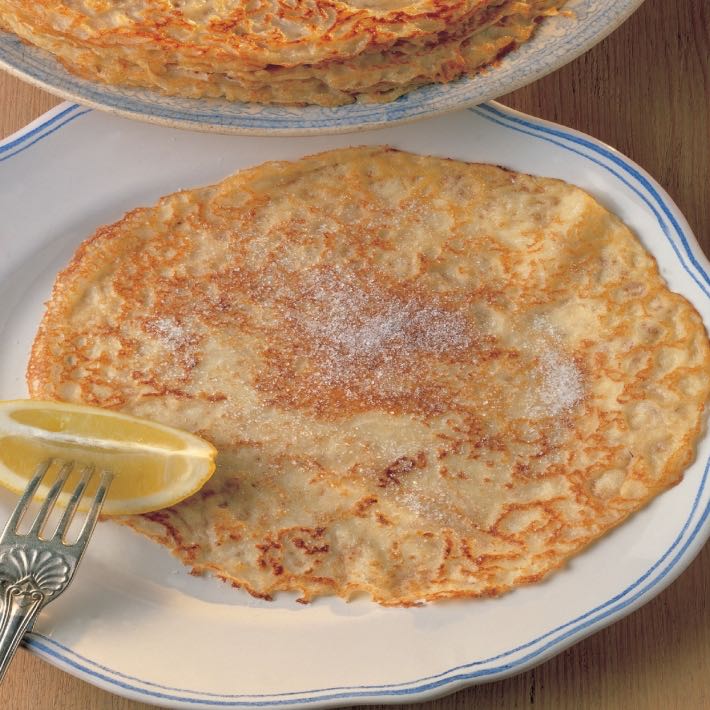
British pancakes are thin. The classic way to eat them is with sugar and a squeeze of lemon juice.
Photo: Rainbow chaser, CC BY-SA 4.0, via Wikimedia Commons
Quiz
What is the name of the day before Lent begins, when many people eat pancakes?
Shrove Tuesday (Pancake Day) is the day before Lent. Ash Wednesday, the next day, is the first day of Lent. Remember the order: pancakes on Tuesday, ash cross on Wednesday.
Quiz
Is the statement below TRUE or FALSE?
Good Friday celebrates Jesus rising from the dead, and Easter Sunday marks his death.
False: it's the other way round. Good Friday remembers Jesus's death, and Easter Sunday celebrates his rising from the dead.
Festivals of other faiths
People of many faiths live in the UK, and five festivals from other religions are worth knowing:
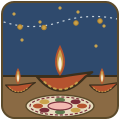
Diwali Hindu and Sikh
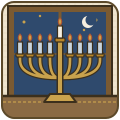
Hannukah Jewish
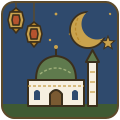
Eid al-Fitr Muslim
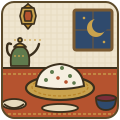
Eid ul Adha Muslim
Vaisakhi Sikh
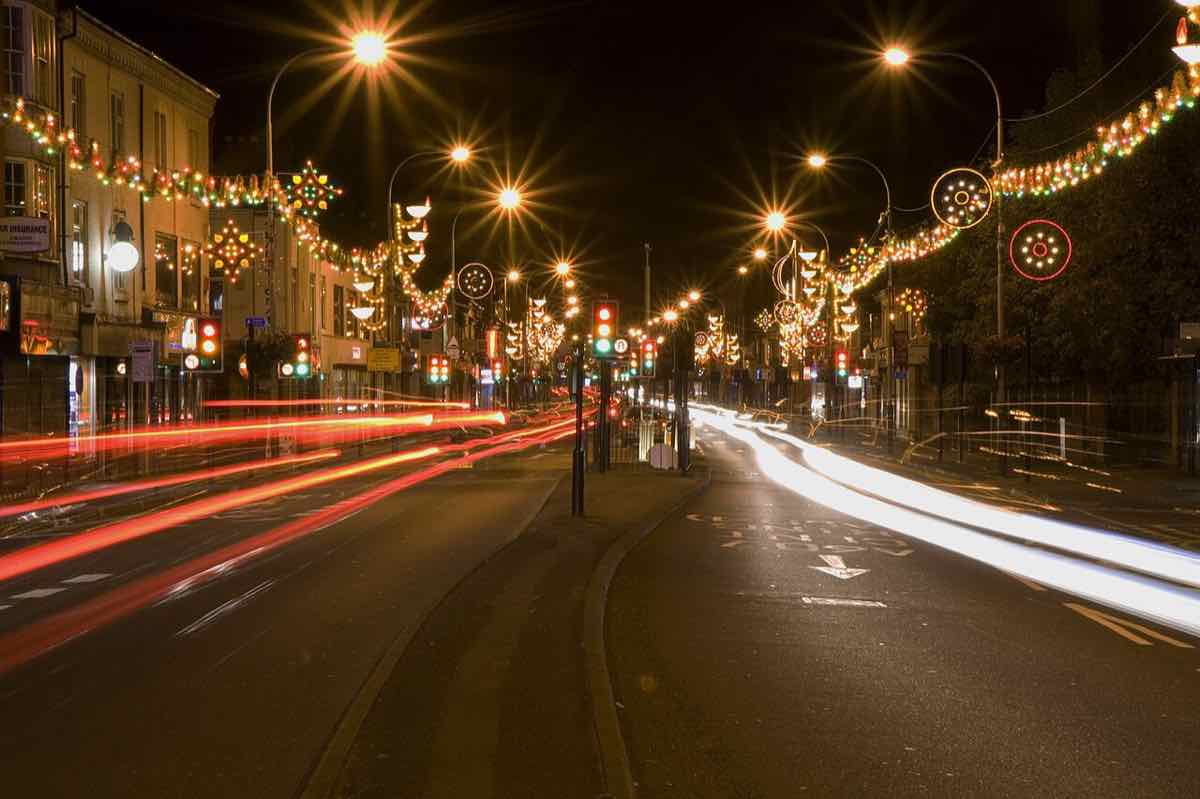
Diwali usually comes in October or November and goes on for five days. People often call it the Festival of Lights. It is a festival for both Hindus and Sikhs, and it celebrates good winning over evil and gaining knowledge. There are several different stories about how it began. Leicester, in the English Midlands, is known for its big Diwali celebration.
Hannukah is in November or December and lasts eight days. It remembers the Jewish people's struggle for religious freedom. Each day of the festival, people light one more candle on a menorah, a candle stand with places for eight candles. This recalls an old story in which lamp oil that should have run out after one day kept burning for eight.
Eid al-Fitr marks the end of Ramadan, a month in which Muslims fast. Muslims thank Allah for helping them to keep the fast. The date is different every year, and people go to special prayers and share special meals.
Eid ul Adha recalls how the prophet Ibrahim was prepared to give up his son as a sacrifice because God commanded it. The festival reminds Muslims how devoted they should be to God. Many Muslims kill an animal to eat during the festival, and the law in Britain says this must be done in a slaughterhouse.
Vaisakhi (sometimes spelled Baisakhi) is a Sikh festival. It celebrates how the Sikh community called the Khalsa was founded. It falls on 14 April every year, with parades, dancing and singing.
Both Diwali and Hannukah involve lights, oil lamps for one and candles for the other, and in everyday English Hannukah is sometimes called a festival of lights too. But the name "Festival of Lights" usually means Diwali. Leicester first put up Diwali lights on Belgrave Road in 1983, and today its celebration draws tens of thousands of people and is often said to be one of the biggest outside India. The Sikh Khalsa was founded in 1699 by the tenth Sikh Guru, Guru Gobind Singh. And because the Islamic calendar has about 11 fewer days than the calendar used in the UK, Eid al-Fitr and Eid ul Adha come round about 11 days earlier each year.
Diwali lights on Belgrave Road in Leicester, a street also known as the Golden Mile.
Photo: Matt Preston, CC BY-SA 2.0, via Wikimedia Commons
Quiz
Which festival, known as the Festival of Lights, is celebrated by both Hindus and Sikhs?
Diwali. Hannukah also involves lights, but it is a Jewish festival; Vaisakhi is only for Sikhs; and Eid ul Adha is a Muslim festival.
Quiz
Which TWO of the following statements are correct?
Hannukah is in November or December and lasts eight days (the five-day festival is Diwali). The festival that celebrates the founding of the Khalsa is Vaisakhi, not Diwali.
New Year, Valentine's Day, April Fool's Day and days for parents
New Year's Day, 1 January, is a public holiday. Most of the partying happens the night before, on New Year's Eve (31 December). The Scots have their own name for 31 December, Hogmanay, and in Scotland 2 January is a public holiday as well. For some Scots, Hogmanay matters even more than Christmas.
There is a reason for that. After the Reformation, Scotland's Presbyterian Church thought Christmas was too "Catholic" and for hundreds of years discouraged people from celebrating it. Christmas Day only became a public holiday in Scotland in 1958, so the big celebrations moved to New Year's Eve. At midnight people join hands and sing Auld Lang Syne, the song by the poet Robert Burns, and the first visitor to step into a home in the new year is said to decide the family's luck for the whole year.
On Valentine's Day, 14 February, couples give each other cards and presents. Sometimes people send a card without signing it to someone they secretly like.
On April Fool's Day, 1 April, people play tricks on each other, but only until midday. TV programmes and newspapers often run made-up April Fool stories as well.
The most famous of these is still the BBC's. On 1 April 1957 its news programme Panorama showed a film of a Swiss family picking spaghetti from trees, and quite a few viewers phoned in to ask how they could grow their own.
Mothering Sunday, also called Mother's Day, falls three weeks before Easter Sunday. Children send their mothers a card or buy them a present. Fathers get their turn on Father's Day, the third Sunday in June.
Watch out if you come from the USA or many other countries, where Mother's Day is the second Sunday in May. In the UK, Mothering Sunday moves with Easter, so it usually falls in March.
Quiz
Which of the following statements is correct?
Hogmanay is 31 December, and Scotland also has a public holiday on 2 January. The day after Christmas is Boxing Day.
Quiz
Is the statement below TRUE or FALSE?
Traditionally, April Fool's Day jokes are only played until midday.
True: the jokes stop at midday. A common trap is "midnight", which looks very similar, so read the question carefully.
Quiz
When is Mothering Sunday celebrated in the UK?
In the UK, Mothering Sunday is three weeks before Easter Sunday. A is Mother's Day in the USA and many other countries, B is Father's Day in the UK, and C is Valentine's Day.
Three autumn dates: Halloween, Bonfire Night and Remembrance Day
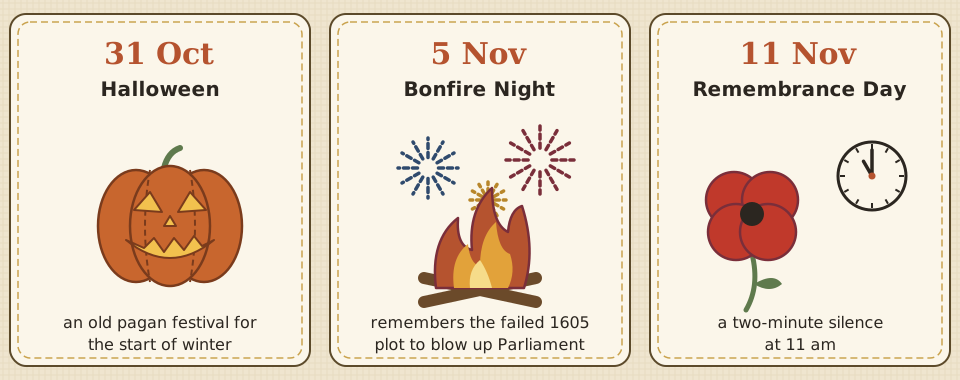
Three special days fall within about two weeks, from the end of October to the middle of November. It's best to learn the dates together.
31 October: Halloween
Halloween is a very old festival. It grew out of a pagan festival (from before Christianity) held at the start of winter. Young people often dress up in scary costumes and go from door to door for trick or treat: people hand out sweets (treats) so that the children won't play tricks on them. Many people also hollow out a pumpkin, carve a face in it to make a lantern, and put a candle inside.
The pumpkin lantern used to be a turnip lantern. In Scotland and Ireland, people hollowed out turnips and carved them into lanterns. Emigrants took the custom to America, where they switched to pumpkins, which are much easier to carve, and the pumpkin version later came back across the Atlantic to Britain.
5 November: Bonfire Night
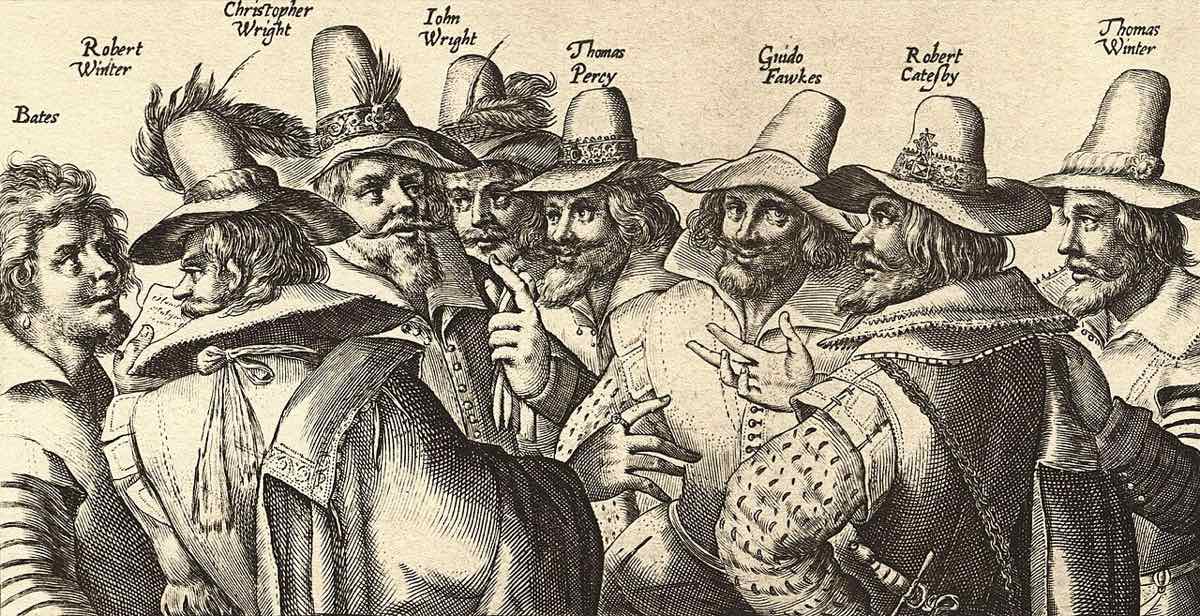
On Bonfire Night (also called Guy Fawkes Night), people across Great Britain let off fireworks in their gardens or go to see big public displays. It all goes back to 1605. That year Guy Fawkes and a group of other Catholics plotted to blow up the Houses of Parliament and kill the Protestant king. Their plan failed. The king was James I, whom you met in The Stuarts.
The straw figure burned on the bonfire stands for Guy Fawkes and is called a "guy", and the everyday English word "guy", meaning a man, is said to come from it. British children grow up with a rhyme that begins "Remember, remember the fifth of November". Even today, before the monarch opens a new session of Parliament, guards with lanterns search the cellars of the Houses of Parliament in case anyone has hidden explosives there again, though these days it is mainly a tradition.
An engraving of the Gunpowder Plot conspirators by a Dutch artist of the time, with each man's name written above him. Guy Fawkes appears under the Italian form of his name, Guido Fawkes. The artist probably never saw any of them in person.
By Crispijn van de Passe the Elder, public domain, via Wikimedia Commons
11 November: Remembrance Day
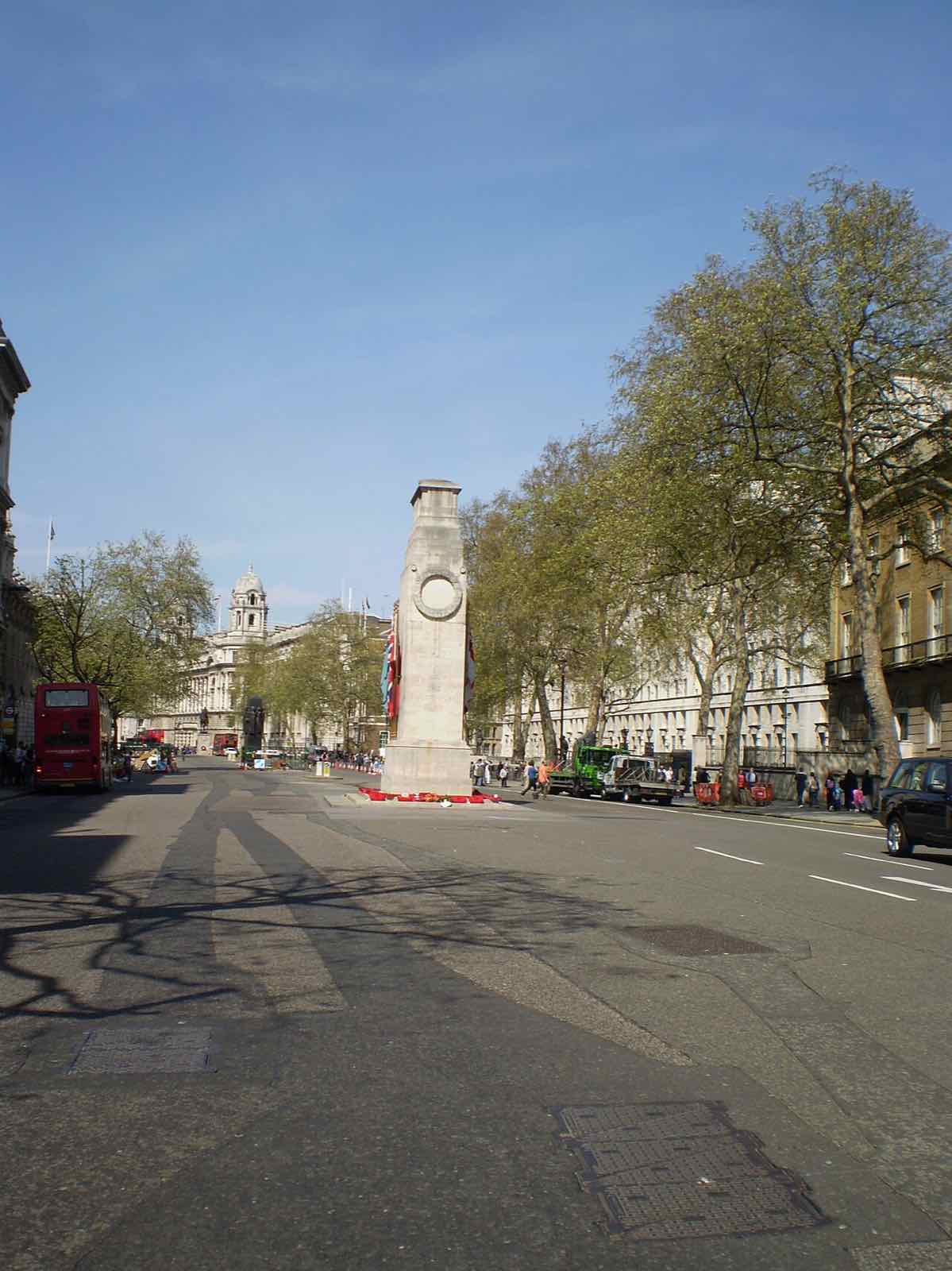
Remembrance Day honours the men and women who were killed fighting on the side of the UK and its allies. At first it was a day to remember those who died in the First World War, which came to an end on 11 November 1918. People wear a poppy, the red flower that grew all over the battlefields in that war. Everyone stops for a two-minute silence at 11 am, and wreaths of poppies are placed at the Cenotaph, the war memorial in Whitehall in London.
The poppy became a symbol of remembrance through a poem. In 1915 John McCrae, a Canadian army doctor, wrote In Flanders Fields on the battlefield in Belgium, describing red poppies blooming among the graves. The Royal British Legion has sold poppies to raise money since 1921. Look closely and you'll see that Scottish poppies are different from English ones: they have four petals and no leaf.
Bonfire Night (5 November) remembers the failed Gunpowder Plot of 1605. The First World War ended on 11 November, which is Remembrance Day. The two dates are only six days apart, so don't mix them up.
Quiz
Which TWO of these happen on Remembrance Day?
Poppies and the two-minute silence at 11 am belong to Remembrance Day. Carving pumpkin lanterns is a Halloween custom, and pancake races take place on Shrove Tuesday.
Bank holidays: days off with no religious meaning
On top of the festivals above, the UK has several other days off each year, known as bank holidays. On these days banks and lots of other businesses close. Bank holidays have no religious meaning. They fall:
at the start of May
at the end of May or start of June
in August
Northern Ireland has an extra public holiday in July to remember the Battle of the Boyne. In that battle, in 1690, William III defeated James II; see The Stuarts.
Bank holidays themselves began with the Bank Holidays Act 1871, introduced by Sir John Lubbock, a banker and Member of Parliament. People were so grateful that for a while they called bank holidays "St Lubbock's Days".
Quiz
Which battle is remembered with a July public holiday in Northern Ireland?
The Battle of the Boyne (1690). Hastings was in 1066, Bannockburn in 1314 and Trafalgar in 1805, and none of them is a holiday in Northern Ireland.
Quiz
What is a bank holiday?
A bank holiday is a public holiday when banks and many other businesses close. Despite the name, it is a day off for lots of people, not just bank staff, so D is wrong. Bank holidays have no religious meaning, so C is wrong too.
Chapter summary
25 Dec Christmas
Birth of Jesus; public holiday; roast turkey, Christmas pudding, mince pies; Father Christmas
26 Dec Boxing Day
The day after Christmas; public holiday
Easter
March or April; Good Friday (his death) and Easter Sunday (rising from the dead); Good Friday and Easter Monday are holidays; chocolate eggs = new life
Lent
40 days before Easter; pancakes on Shrove Tuesday, the day before; begins on Ash Wednesday
Diwali
October or November, 5 days, the Festival of Lights; Hindus and Sikhs; Leicester
Hannukah
November or December, 8 days; the Jewish struggle for religious freedom; menorah
Eid al-Fitr / Eid ul Adha
Eid al-Fitr: end of Ramadan. Eid ul Adha: Ibrahim; in Britain animals must be killed in a slaughterhouse
Vaisakhi
Sikh; founding of the Khalsa; 14 April
Hogmanay
Scotland's name for 31 December; 2 January is also a holiday there
14 Feb / 1 Apr
Valentine's Day (anonymous cards) / April Fool's Day (jokes until midday)
Mothering Sunday
Three weeks before Easter. Father's Day: third Sunday in June
31 Oct Halloween
From a pagan festival at the start of winter; trick or treat, pumpkin lanterns
5 Nov Bonfire Night
Guy Fawkes and other Catholics fail to blow up Parliament in 1605
11 Nov Remembrance
Poppies, two-minute silence at 11 am, the Cenotaph in Whitehall
Bank holidays
No religious meaning: early May, late May or early June, August; Northern Ireland also has a July holiday for the Battle of the Boyne
 Diwali
 Hannukah
 Eid al-Fitr
 Eid ul Adha
 Vaisakhi