1948–1970s
Migration after the war: rebuilding Britain together
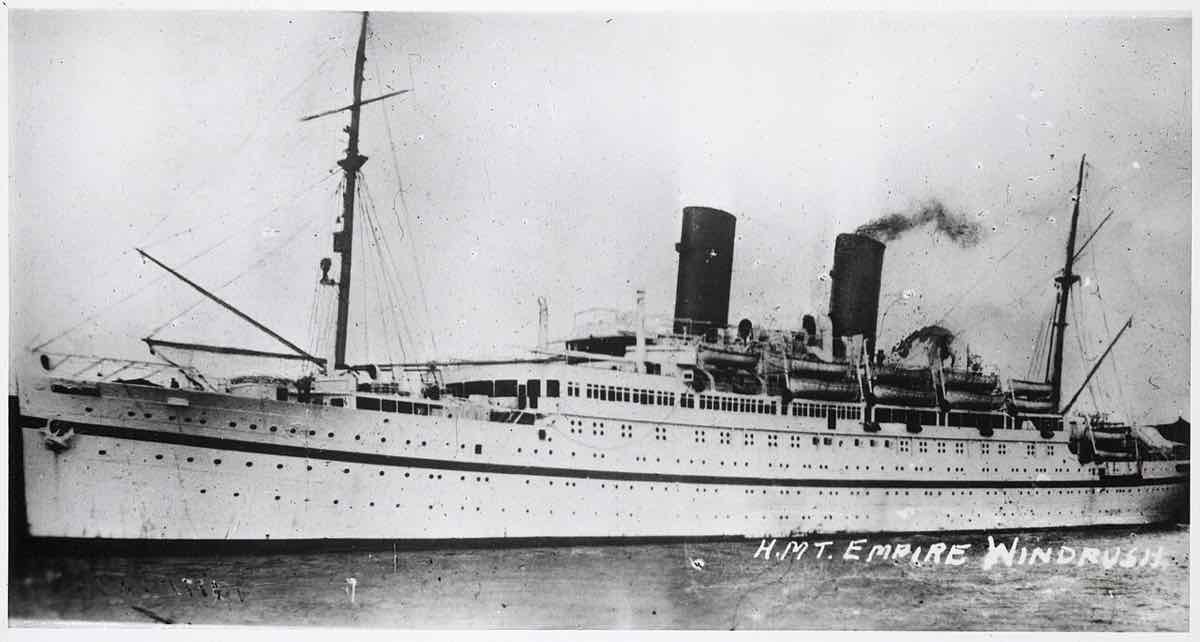
After the Second World War, even as the British Empire was gradually breaking up, Britain was looking overseas for help at home. Rebuilding the country after the war was an enormous job, and Britain was badly short of workers. The government's first step was to invite workers from Ireland and the rest of Europe to come and help. In 1948, people from the West Indies (the Caribbean) were invited to come and work too.
In the 1950s there were still not enough workers, so the country kept encouraging people to come, for economic reasons. Many industries went looking for staff overseas. For example:
- Recruitment centres were opened in the West Indies to find bus drivers.
- Textile and engineering companies in the Midlands and the north of England sent people to India and Pakistan to find workers.
Over roughly 25 years, many people came from the West Indies, India and Pakistan, and later from Bangladesh, to work and make their homes in Britain.
But in the late 1960s the government passed new laws to limit immigration. From then on, people coming to live in Britain had to have close links with the country through birth or family background, and the numbers fell. Even so, in the early 1970s Britain took in 28,000 people of Indian descent who had been expelled from Uganda. They had been forced out in 1972, when Idi Amin, the dictator of Uganda, ordered all Asian people living there to leave the country within 90 days. Many of them held British passports, and many settled in cities such as Leicester and built up businesses from nothing.
Quiz
Is the statement below TRUE or FALSE? In the 1950s, recruitment centres in the West Indies looked for people to work as bus drivers in Britain.
True. Watch out for a different version of this question: it was textile and engineering firms, not bus companies, that went to India and Pakistan to find workers.