The police: protecting everyone, and keeping to the law themselves
The job of the police in the UK comes down to three things:
 Protecting life and property
 Preventing disturbances (keeping the peace)
 Preventing and detecting crime
The UK's police work in many separate forces, each led by a Chief Constable. The police are independent of the government.
In November 2012, people in England and Wales voted for the first time to elect Police and Crime Commissioners (PCCs). These directly elected commissioners are there to make sure the local police work well and meet the needs of the community. They set local policing priorities and the local policing budget, and they appoint the Chief Constable.
The police are a public service for everyone, whatever their background and wherever they live. The police must obey the law too. They must not misuse their powers, make false statements, be rude or abusive, or commit racial discrimination. Police officers who are corrupt or who misuse their authority are punished severely.
Working alongside the police are police community support officers (PCSOs). Their role varies from area to area, but usually they patrol the streets, work with the public, and support the police at crime scenes and big events.
Everyone should also do what they can to help the police prevent and detect crime. If the police arrest you and take you to a police station, they will tell you the reason, and you can ask for legal advice.
Most police in England, Wales and Scotland don't carry guns; Northern Ireland is the exception. In an emergency you call 999, which started in London in 1937 as the world's first emergency phone number. For things that aren't emergencies, call 101.
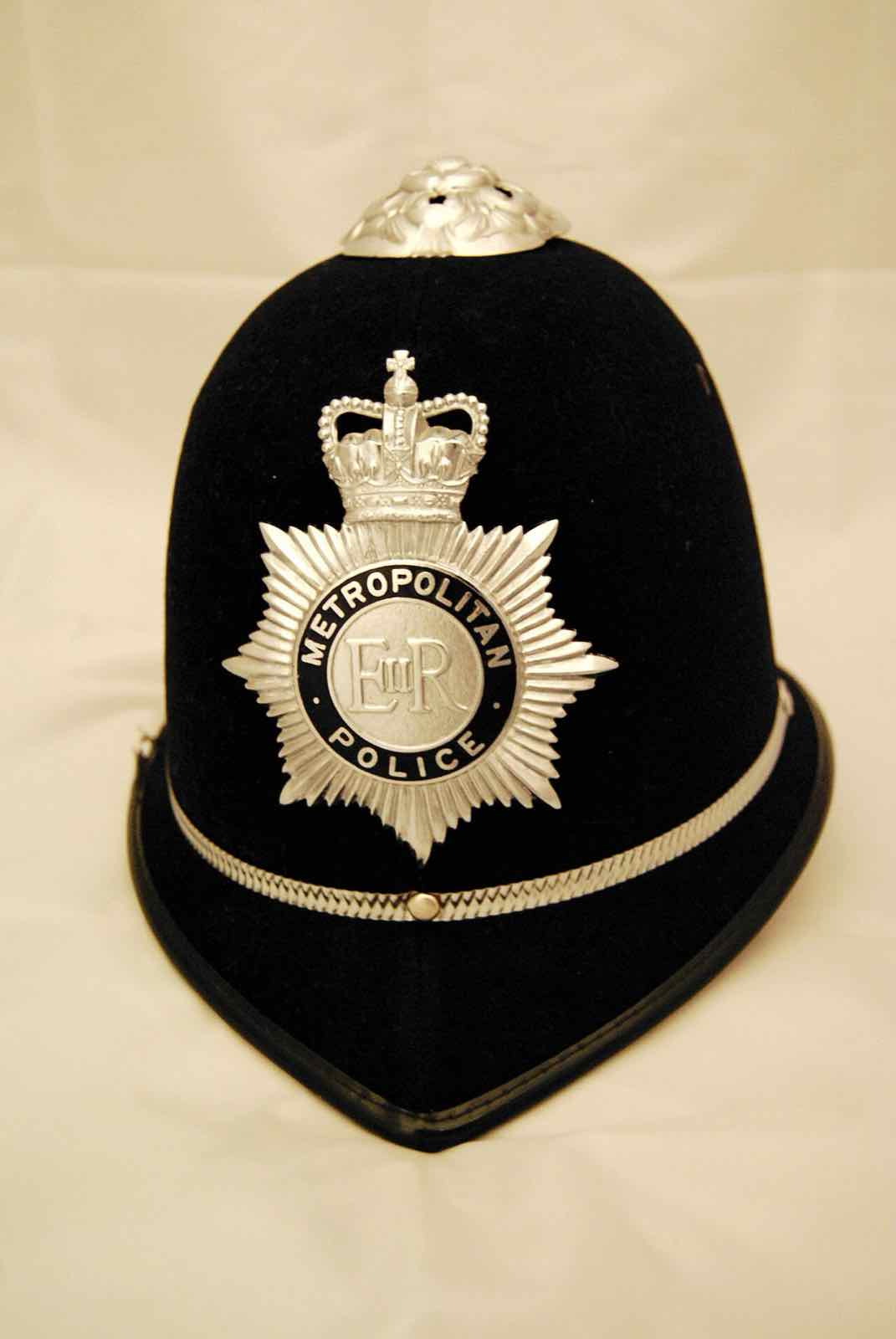
Unhappy with the police? You can complain
When the police get things wrong, there is a complaints system to sort it out. Any member of the public can complain, either at a police station or by sending a letter to the Chief Constable of the force in question. Each part of the UK also has somewhere independent to turn:
- England and Wales: you can also complain directly to an independent body, the Independent Office for Police Conduct (IOPC), through its website, policeconduct.gov.uk.
- Scotland: if you have already complained and you are not happy with how your complaint was dealt with, you can turn to the Police Investigations and Review Commissioner (PIRC).
- Northern Ireland: the Police Ombudsman's Office.
Quiz
Which TWO of the following are duties of the police in the UK?
The police have three duties: protecting life and property, preventing disturbances, and preventing and detecting crime. The local policing budget is set by the elected Police and Crime Commissioner (PCC), and after someone is found guilty, the sentence is decided by a judge or magistrate.
Quiz
Since November 2012, voters in England and Wales have elected officials who decide local policing priorities and appoint the Chief Constable. What are these officials called?
Police and Crime Commissioners (PCCs) are directly elected. Justices of the Peace (JPs) hear minor criminal cases in Scotland; police community support officers (PCSOs) help the police by patrolling; and a sheriff is a judge in a Scottish Sheriff Court.
Quiz
In Northern Ireland, which independent body can people go to with a complaint about the police?
In Northern Ireland, complaints about the police go to the Police Ombudsman. The Police Investigations and Review Commissioner is Scotland's body, for people unhappy with how a complaint was handled. The Equality Commission for Northern Ireland deals with discrimination, not the police, and the Crown Court tries serious criminal cases.