Often tested
The monarch: reigning, not ruling
The monarch is the UK's head of state, and is also the monarch or head of state of many countries in the Commonwealth.
Britain's system is a constitutional monarchy. In practice, this means the king or queen does not run the country. Voters choose the government at elections, and the monarch formally appoints it. After an election, the monarch asks the leader of whichever party has the most MPs, or the leader of a coalition (two or more parties governing together), to become Prime Minister.
The monarch and the Prime Minister meet regularly. The monarch may give advice, warnings or encouragement, but it is the Prime Minister and cabinet who decide the government's policies.
Elizabeth II held these meetings with every one of her Prime Ministers, starting with Winston Churchill. They are private and no record is kept, so nobody outside knows exactly what "warnings" a monarch has ever given.
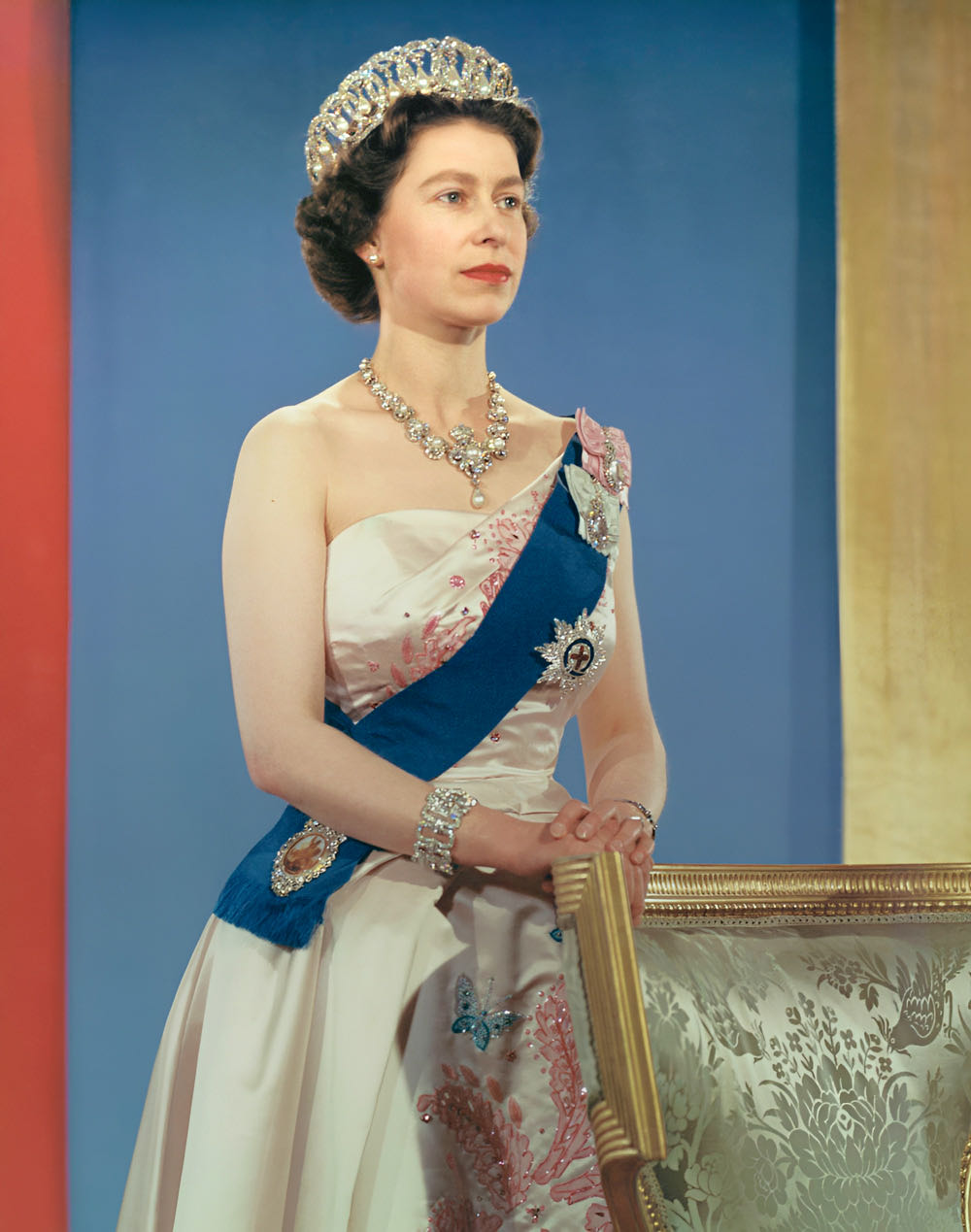
Elizabeth II became queen in 1952, after her father died, and in 2012 she celebrated her Diamond Jubilee, marking 60 years on the throne. Her husband was Prince Philip, and Prince Charles, the Prince of Wales and her eldest son, was next in line to the throne.
What does the monarch do?
- Ceremonies: every year the monarch opens the new session of Parliament with a speech that sets out the government's plans for the year ahead. Every Act of Parliament becomes law in the monarch's name.
- Representing the UK: the monarch welcomes ambassadors and high commissioners (the Commonwealth's version of ambassadors) from other countries, hosts foreign heads of state when they visit, and travels abroad on official visits to strengthen Britain's diplomatic and trade links.
- Stability and continuity: Prime Ministers and governments change often, while the monarch stays in place as head of state. The monarch also gives people a shared symbol of national identity and pride, as the countrywide Diamond Jubilee celebrations in 2012 showed.
The national anthem and the citizenship oath
The UK's national anthem is God Save the Queen. You hear it at major national events, and whenever the Queen or other members of the Royal Family are present. The first verse opens with the line God save our gracious Queen and asks God to give the monarch a long, victorious reign.
At a citizenship ceremony, new citizens make a promise of loyalty to the monarch, either as an oath or as an affirmation. Both say the same thing; the only difference is whether God is mentioned:
Uses the word swear: you promise by Almighty God that, once you are a British citizen, you will be loyal to the monarch and the monarch's heirs, as the law requires.
For people who are happy to make a promise before God
Uses the word affirm: God is not mentioned; you declare seriously and sincerely that, once you are a British citizen, you will be loyal to the monarch and the monarch's heirs, as the law requires.
For people who prefer not to make a religious promise
Formal citizenship ceremonies are fairly new. The first was held in 2004, at Brent Town Hall in London. Before that, new citizens took the oath privately in front of someone authorised to hear it, and their certificate arrived later by post. Today local councils usually organise the ceremonies, and the national anthem is played at them.
Quiz
What does it mean to say that the UK is a constitutional monarchy?
In a constitutional monarchy the monarch is head of state but does not run the country; the government is elected. The leader of the largest party is the Prime Minister, not the monarch.
Quiz
Is the statement below TRUE or FALSE? After the regular meetings with the Prime Minister, the monarch decides what the government's policies will be.
False. The monarch can only advise, warn and encourage. The Prime Minister and the cabinet decide the government's policies.
Quiz
Which TWO of these are roles of the monarch?
Keeping order in Commons debates is the job of the Speaker. The shadow cabinet is led by the leader of the opposition.
Quiz
In 2012 Queen Elizabeth II celebrated her Diamond Jubilee. What did it mark?
Elizabeth II became queen in 1952, when her father died, so by 2012 she had been on the throne for exactly 60 years. The Diamond Jubilee marked 60 years as queen, not a birthday.
Quiz
Is the statement below TRUE or FALSE? At a citizenship ceremony, new citizens can choose either to swear an oath or to make an affirmation of allegiance to the monarch.
True. Both say the same thing. An oath is sworn by Almighty God; an affirmation leaves God out, so it suits people who would rather not make a religious promise.